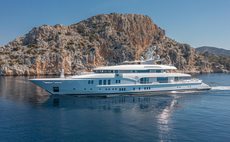
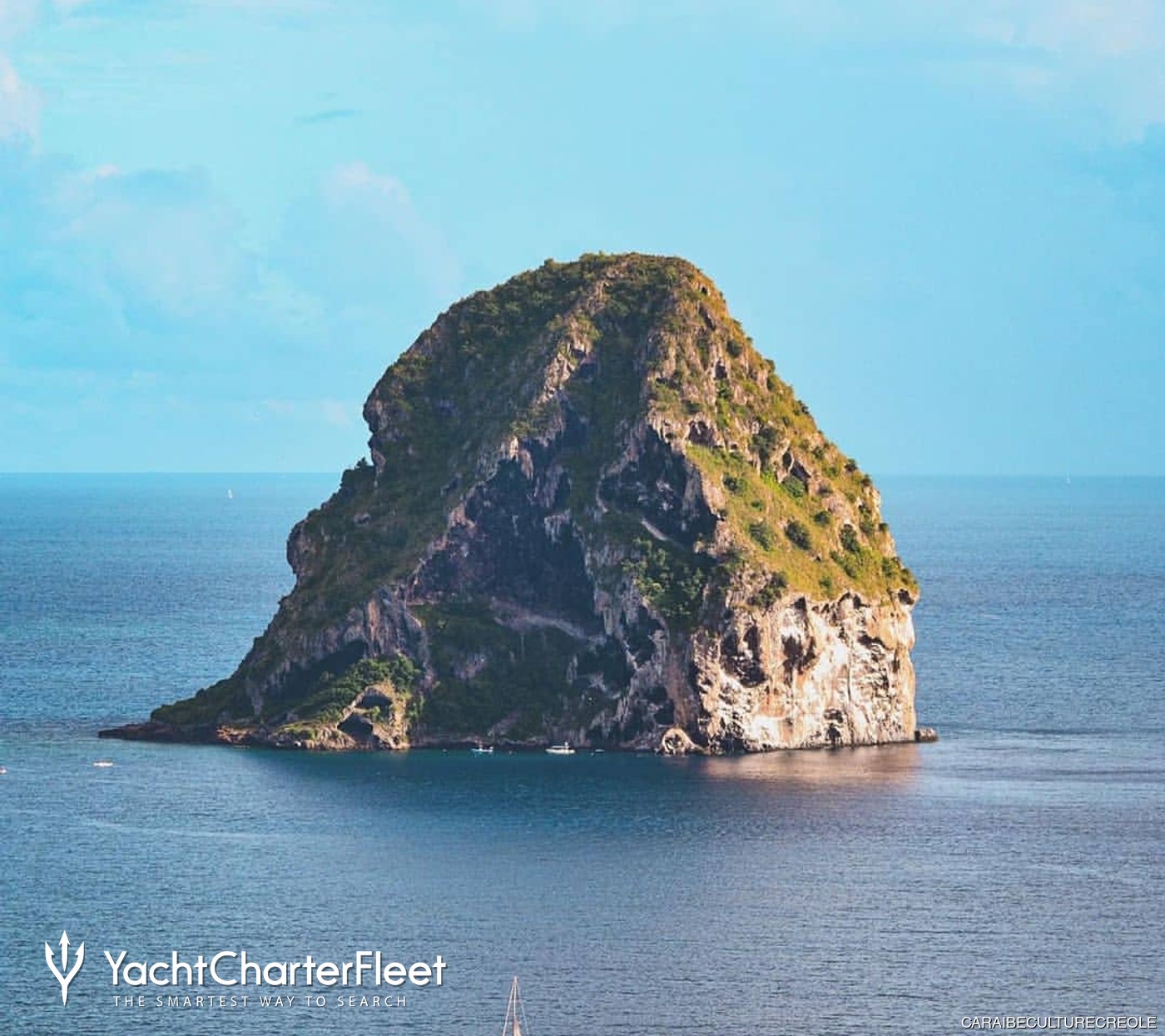
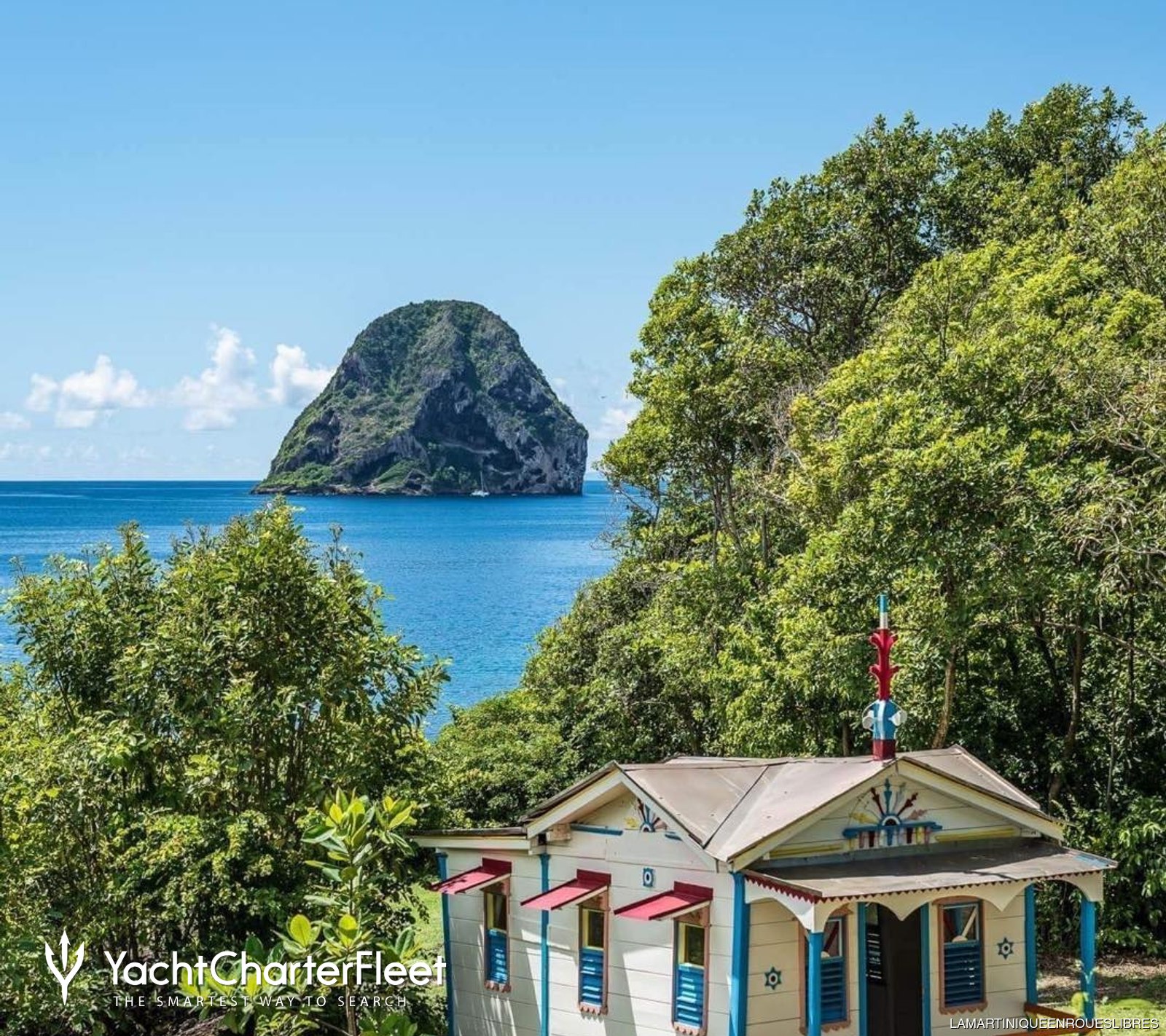
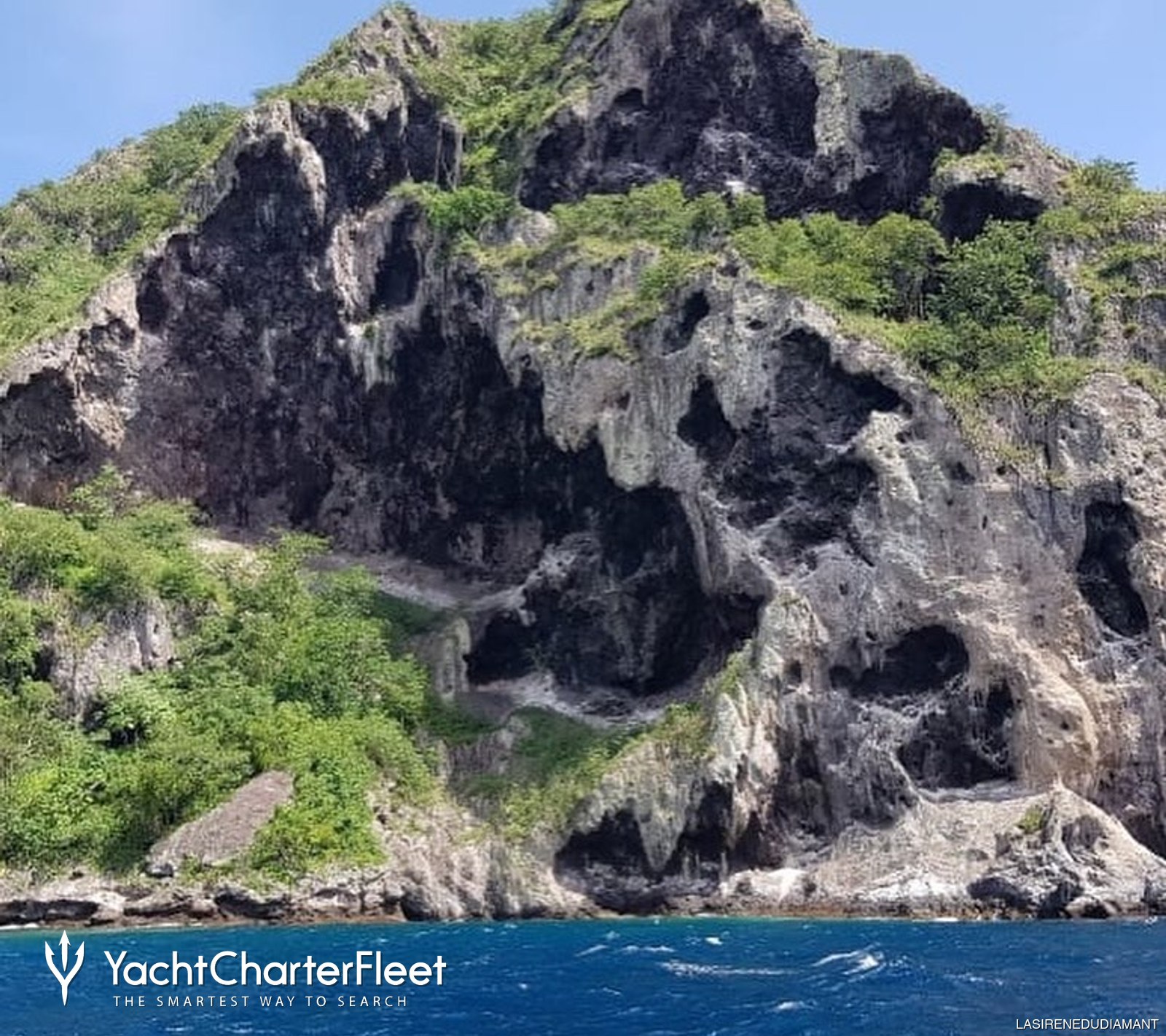
Diamond Rock is one of the most striking sights in Martinique. This volcanic island rises 600 feet above the Caribbean Sea, creating an imposing presence off the southern coast. Its rugged cliffs and dramatic slopes make it a fascinating landmark for visitors approaching by sea or from the shores of Le Diamant.
The rock takes its name from the way sunlight reflects off its surface, resembling the sparkle of a diamond. Over time, it has become a significant symbol of the island’s natural beauty and maritime history. Though uninhabited, it draws adventurers, historians, and nature lovers alike.
Beyond its striking appearance, Diamond Rock holds a fascinating place in history. During the early 19th century, the British Navy seized the island and declared it an official warship, HMS Diamond Rock. This strategic move allowed them to disrupt French supply routes and establish a stronghold against enemy forces.
The British stationed cannons and a small crew on the rock, using its height to control the surrounding waters. Living conditions were harsh, with limited food and fresh water. The French, determined to reclaim it, launched multiple attacks before successfully regaining control in 1805. Today, this chapter in maritime history makes Diamond Rock an intriguing site for history enthusiasts on a Martinique yacht charter.
The waters surrounding the formation are a designated marine reserve that supports a diverse underwater ecosystem. Divers find vibrant coral reefs and tropical fish, along with occasional sightings of sea turtles within the protected area. This biodiversity is a highlight for those on a Windward Islands yacht charter seeking high-quality diving locations.
The steep underwater cliffs and deep crevices create a technical environment suitable for experienced divers. Clear visibility allows for the observation of barracudas and moray eels among the rock’s submerged caves. Guided excursions are available to ensure that these underwater habitats are explored safely and responsibly.
For those who prefer to view Diamond Rock from the shore, the town of Le Diamant provides several vantage points. The coastline is characterized by long sandy beaches and hills that offer panoramic views of the rock against the horizon. This area is a standard stop during a Caribbean yacht charter for guests looking to combine beach relaxation with historical sightseeing.
The town of Le Diamant also provides access to local museums and markets that highlight the island's Creole heritage. Visitors can find handcrafted goods and traditional cuisine within the town center. These land-based attractions complement the maritime experience, providing a broader understanding of the local culture.
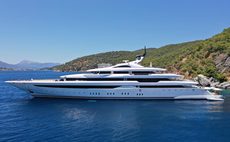
Sailing around the base of the rock provides the most direct perspective of its sheer cliffs and geological features. This approach allows for a closer look at the nesting seabirds and the rugged texture of the volcanic stone. Arranging a yacht charter to navigate the southern coast ensures a private and flexible way to observe the landmark from various angles.
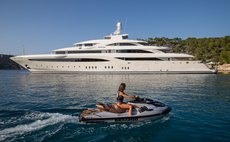
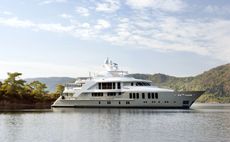
A private motor yacht charter allows guests to bypass the more crowded tour boats and set their own pace for the day. The proximity to other southern coves, such as Anses d’Arlet, makes it easy to integrate a visit to the rock into a full-day maritime itinerary. This convenience is a primary benefit of exploring the Martinican coastline by sea.
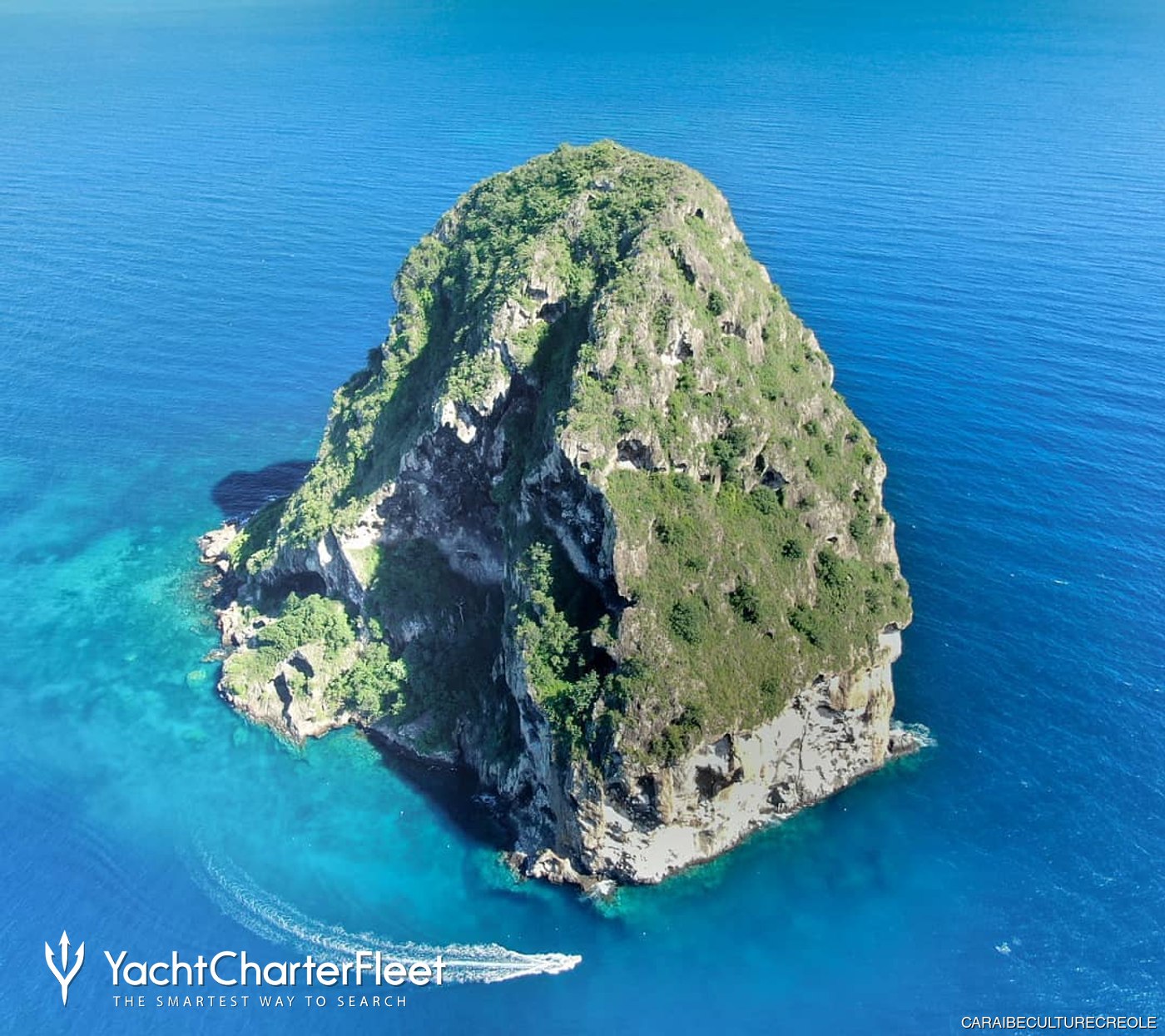
The journey through the southern waters offers a blend of natural scenery and historical significance. After circling Diamond Rock, guests can continue to nearby harbors for evening dining or further coastal exploration. This landmark remains an essential feature for any comprehensive travel plan in the Lesser Antilles.
Discuss your specific preferences and logistics with a professional yacht charter broker to coordinate your visit. They can assist with scheduling diving guides or arranging for the best anchorage points near Le Diamant. Their assistance ensures that your time on the water is managed with precision, allowing you to focus on the history and environment of the region.