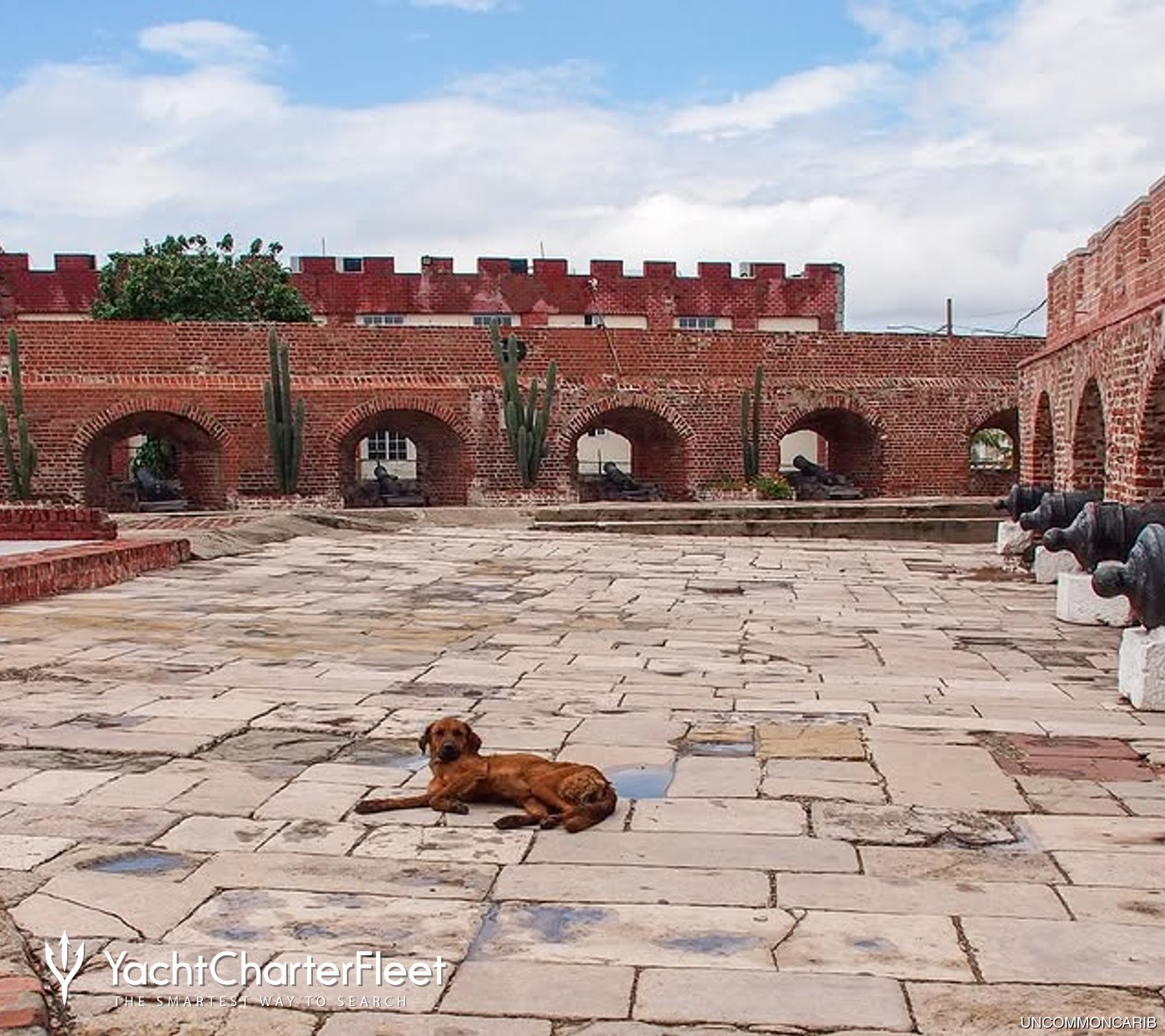
Located at the edge of the historic town of Port Royal, Fort Charles offers a striking view of Jamaica's maritime past. It sits at the entrance of Kingston Harbour, nearly surrounded by water, and provides a destination for anyone interested in coastal history or scenic architecture. Visitors are often drawn to the symmetry of its red-bricked walls and the long row of cannons that frame the exterior.
Designed in the shape of a ship, the structure has an unmistakable character. Though it has been affected by natural disasters over the centuries, its overall form has remained intact. Alongside the fort itself, the site now includes a small museum, adding more context to the experience. This historical site is an essential stop for guests on a Caribbean yacht charter who wish to explore the naval roots of the region.
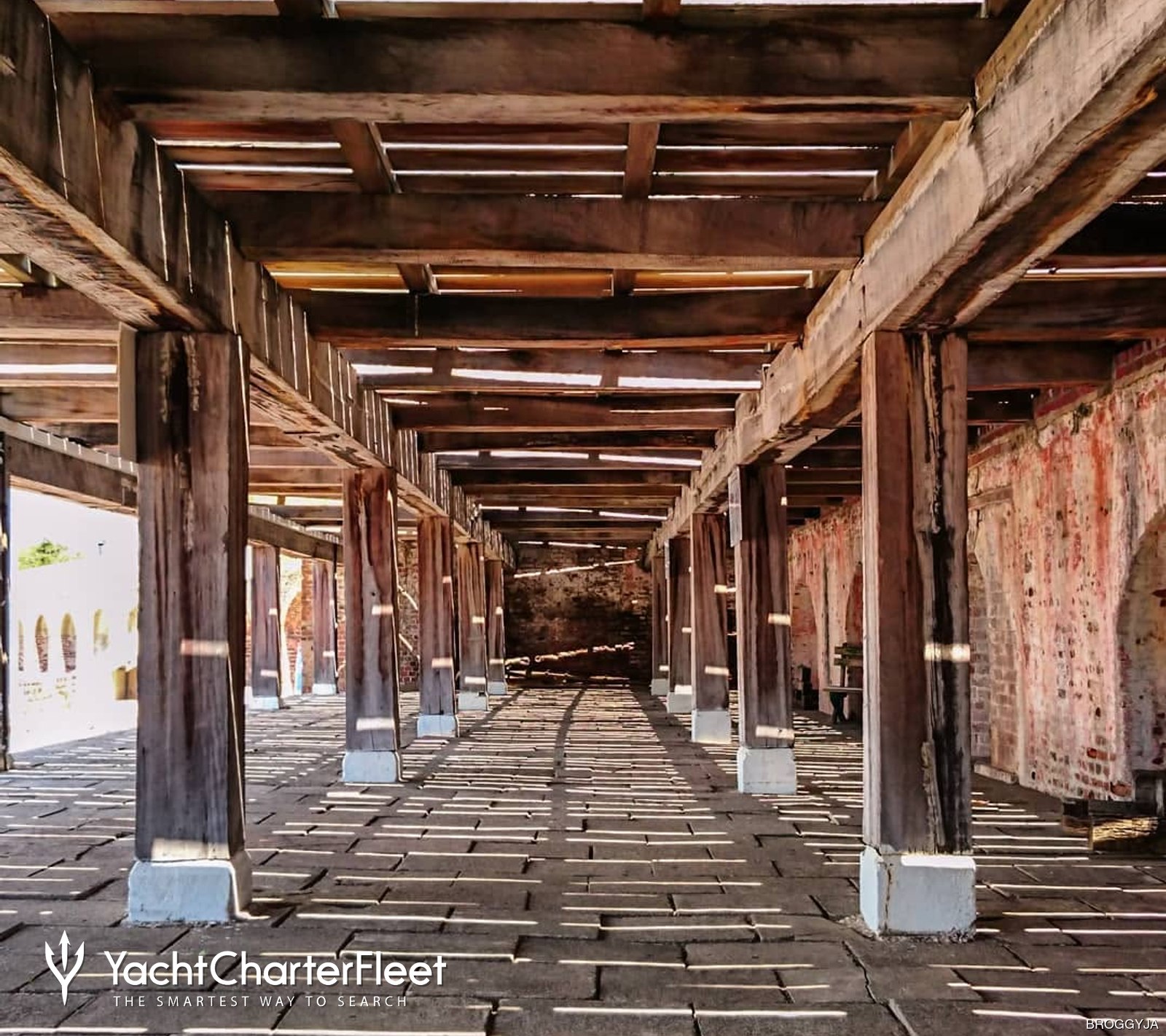
A walk through Fort Charles offers more than just views. The layout invites exploration, from narrow pathways to lookout points that once gave soldiers wide views across the sea. Information boards are placed throughout the grounds, helping guests imagine the daily life of those stationed there centuries ago.
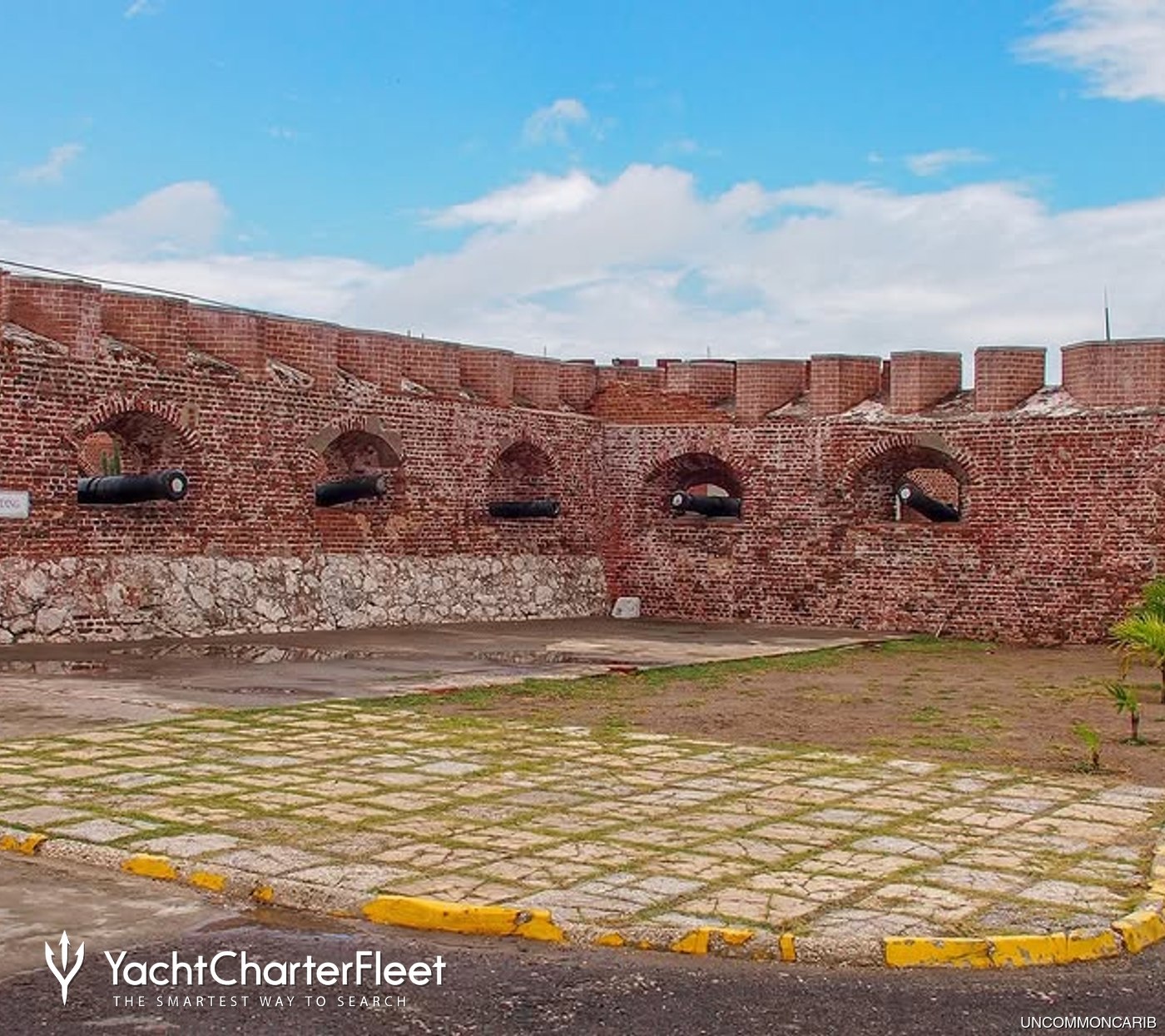
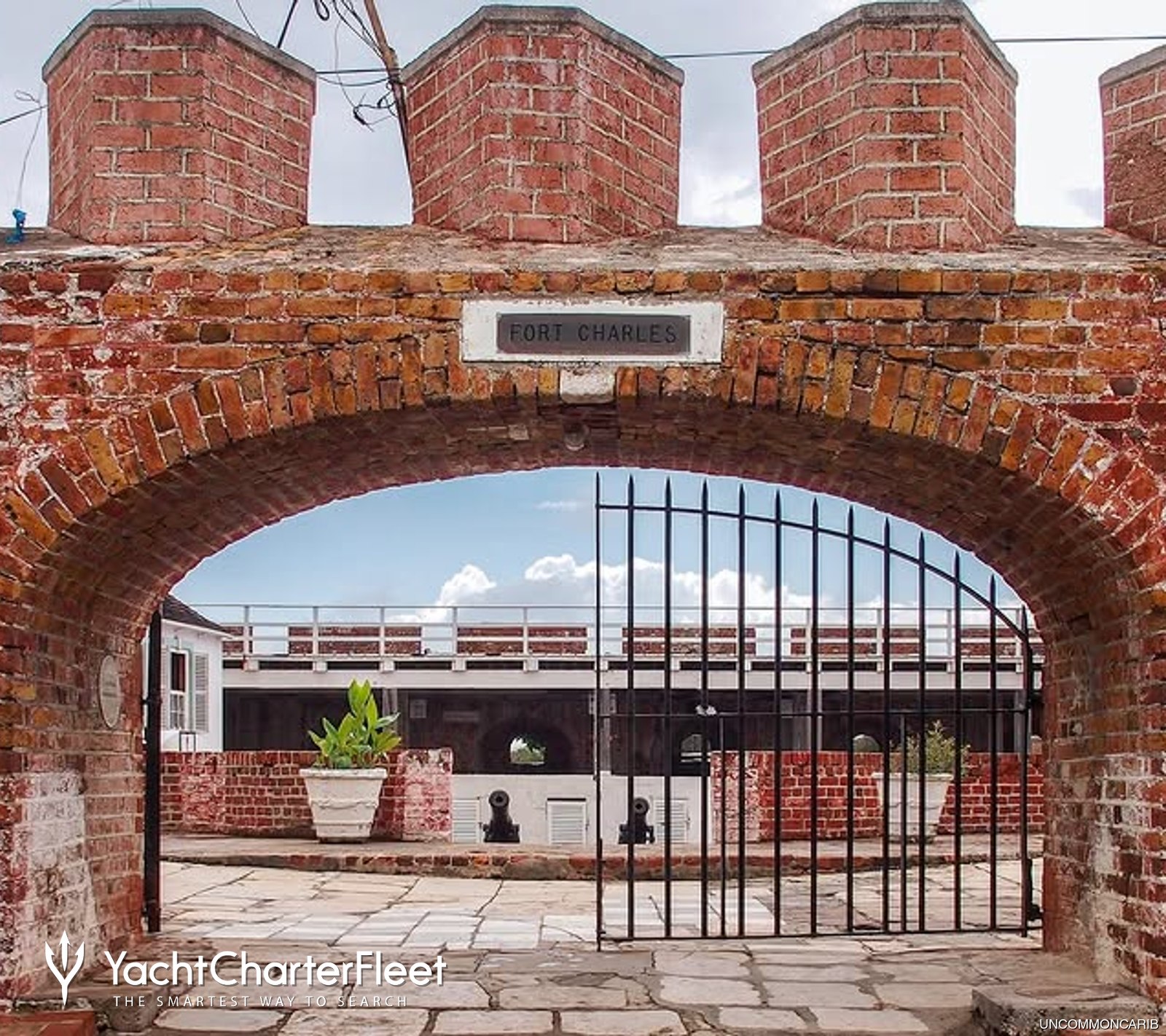
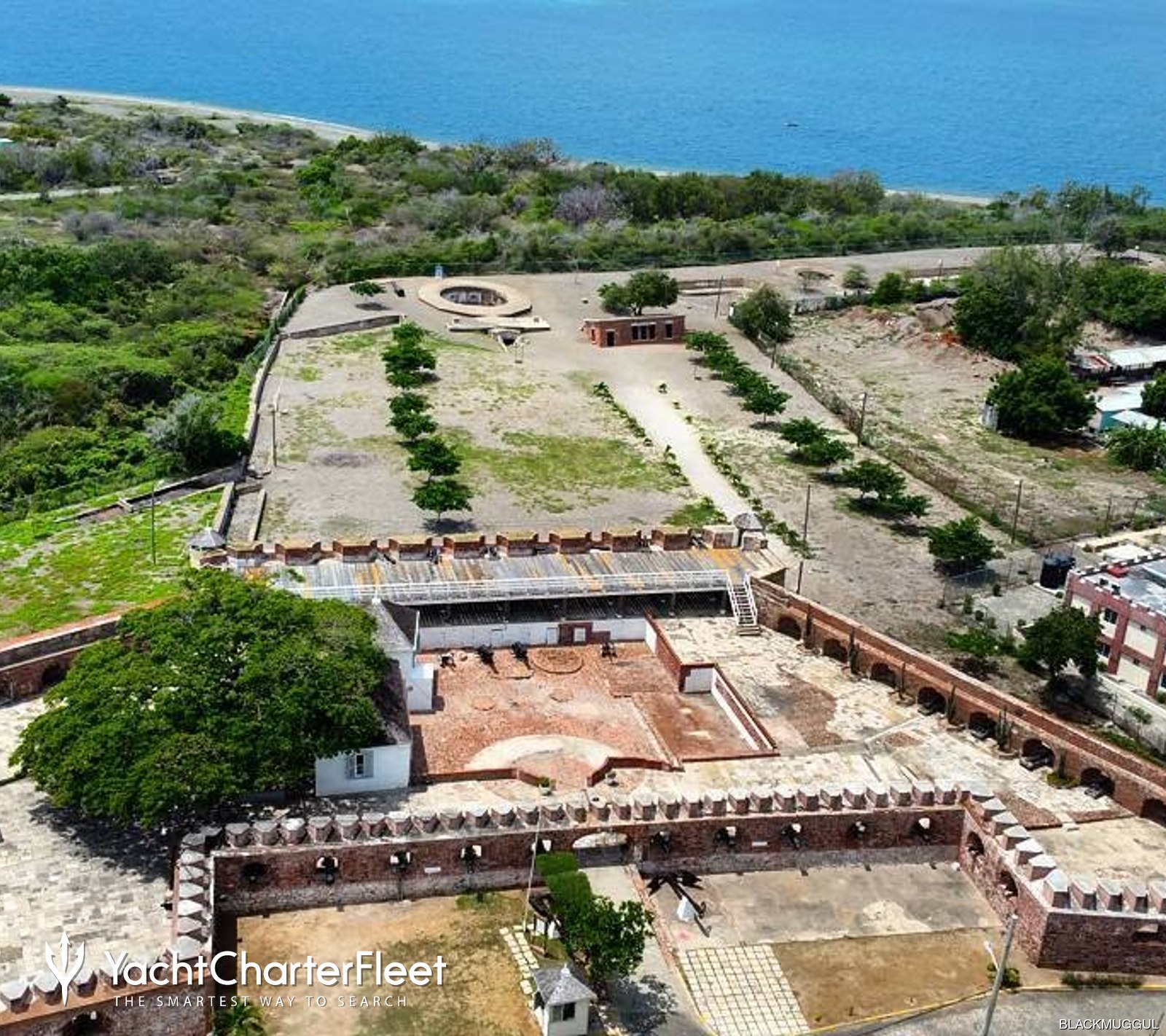
Fort Charles stands out for its strong military design and striking presence. The cannons, aligned along the semi-circular gun ports, once served to protect the area from seaborne threats. Today, they add to the visual appeal, creating a picture of what life might have looked like in earlier times. Including a visit here as part of a Greater Antilles yacht charter provides a deeper perspective on the strategic importance of this island chain.
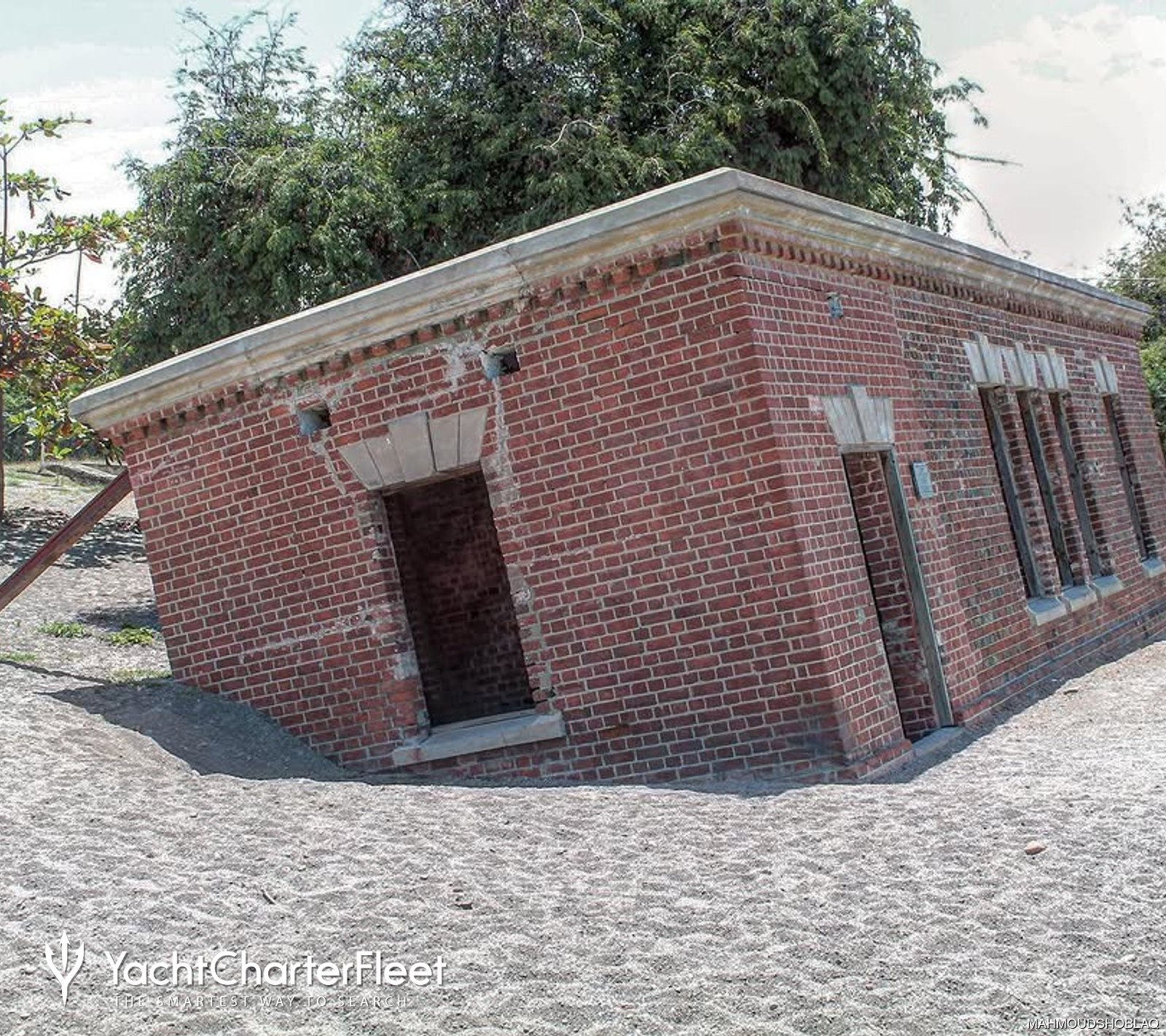
The nearby Giddy House, another curious feature of the area, was tilted during the 1907 earthquake and still remains slanted. The combination of architectural design and natural effects makes Fort Charles one of Jamaica’s unique historic destinations.
Despite being damaged by major earthquakes, the fort has held up over time and remains one of the most intact colonial-era military buildings in Jamaica. Port Royal, once known as the "wickedest city on earth," has its own rich history, tied to pirates and British colonial power. This layered heritage is a primary draw for a Jamaica yacht charter, as it connects the modern coastline to centuries of seafaring legends.
Inspiration for Caribbean yacht charters
-
 Best luxury spas in the Caribbean: How to feel extra-relaxed on your yacht charter Searching for places to feel well-rested and luxuriously pampered on your next Caribbean yacht charter vacation? Look no ...
 -
 Five Reasons to Visit the Caribbean on a Luxury Yacht Charter in Late Spring From local carnivals to international sailing regattas, there are many reasons to visit the Caribbean in late spring on ...
 -
 8 of the Best Diving Sites in the Eastern Caribbean Packed with enchanting sea life, beautiful coral and mysterious shipwrecks, the tropical blue waters of the Eastern Cari ...
The story of Fort Charles began in the 1650s, during a period of intense conflict between European powers. England had failed in an attempt to take Hispaniola from Spain, and the leaders of that mission turned instead to Jamaica. In 1655, English forces gained control of the island and began building a fort to defend their new possession.
Originally called Fort Cromwell, the site was renamed Fort Charles after the English monarchy was restored. It was the first of six forts built to guard the harbour, and over time, it expanded to hold more guns and a larger garrison. By 1765, the fort housed over 100 guns and 500 soldiers, playing a critical role in controlling access to the port.
Its location on a narrow strip of land separating Kingston Harbour from the sea made it a key strategic point. With walls designed to handle heavy firepower and views stretching across the coastline, the fort offered strong defence and early warning of incoming ships.
Today, Fort Charles is managed by the Port Authority of Jamaica and welcomes visitors interested in the island's complex past. It provides an opportunity to explore a well-preserved military site while enjoying the coastal scenery of Port Royal. Integrating a private yacht charter excursion into this historic hub allows for a seamless transition between the luxury of the water and the depth of the land.
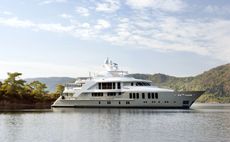
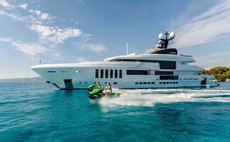
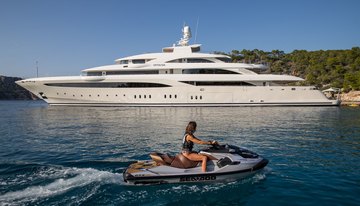
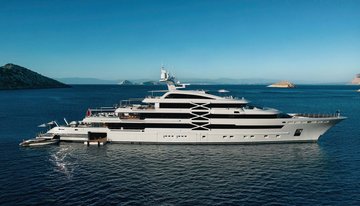
For those arriving by sea, Fort Charles makes a meaningful addition to a luxury Caribbean yacht charter itinerary. After anchoring nearby, guests can take a guided tour through the fort, walk along the old gun walls, and explore the on-site museum. The combination of history, views, and calm surroundings makes it a rewarding stop on any sailing itinerary.
Speak with a professional yacht charter broker to include Port Royal and Fort Charles in your personalized travel plans.