Malaga, a port city in southern Spain, is more than just sunshine and sea views. It is a place with a rich artistic legacy, shaped by centuries of culture and influence. Walking its streets, you will find a mix of Moorish architecture, Renaissance facades, and lively urban life. But one name rises above all when speaking of Malaga's contribution to the arts: Pablo Picasso.
Pablo Picasso was born in Malaga in 1881, and his early years in the city laid the groundwork for his career. Museo Picasso Málaga, located in the historic center, celebrates this legacy. The museum sits in a restored 16th-century palace and offers a look into the life and vision of one of the 20th century's most influential artists. For guests on a Malaga yacht charter, the museum is an essential inland stop that provides context to the city's creative spirit.

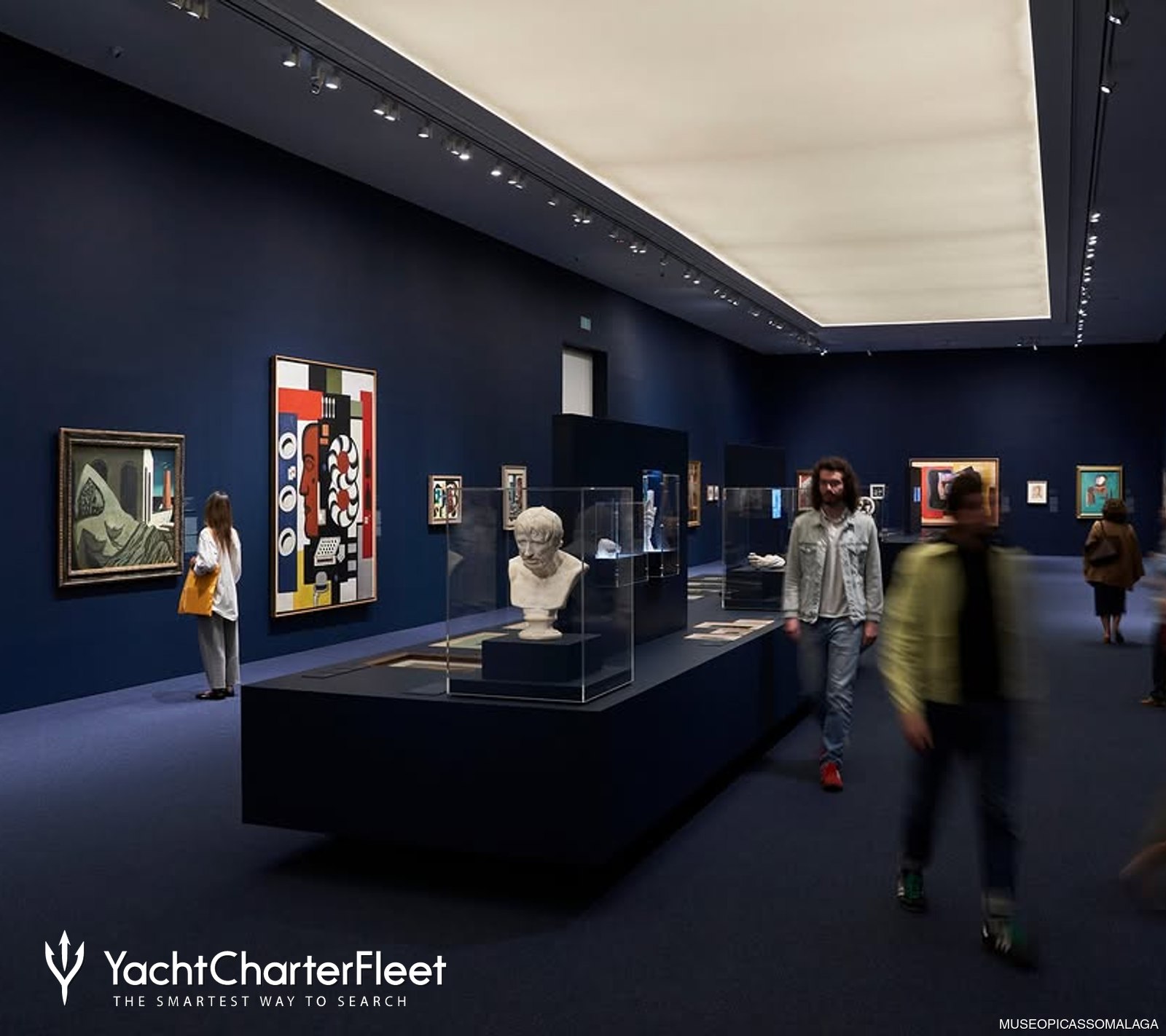
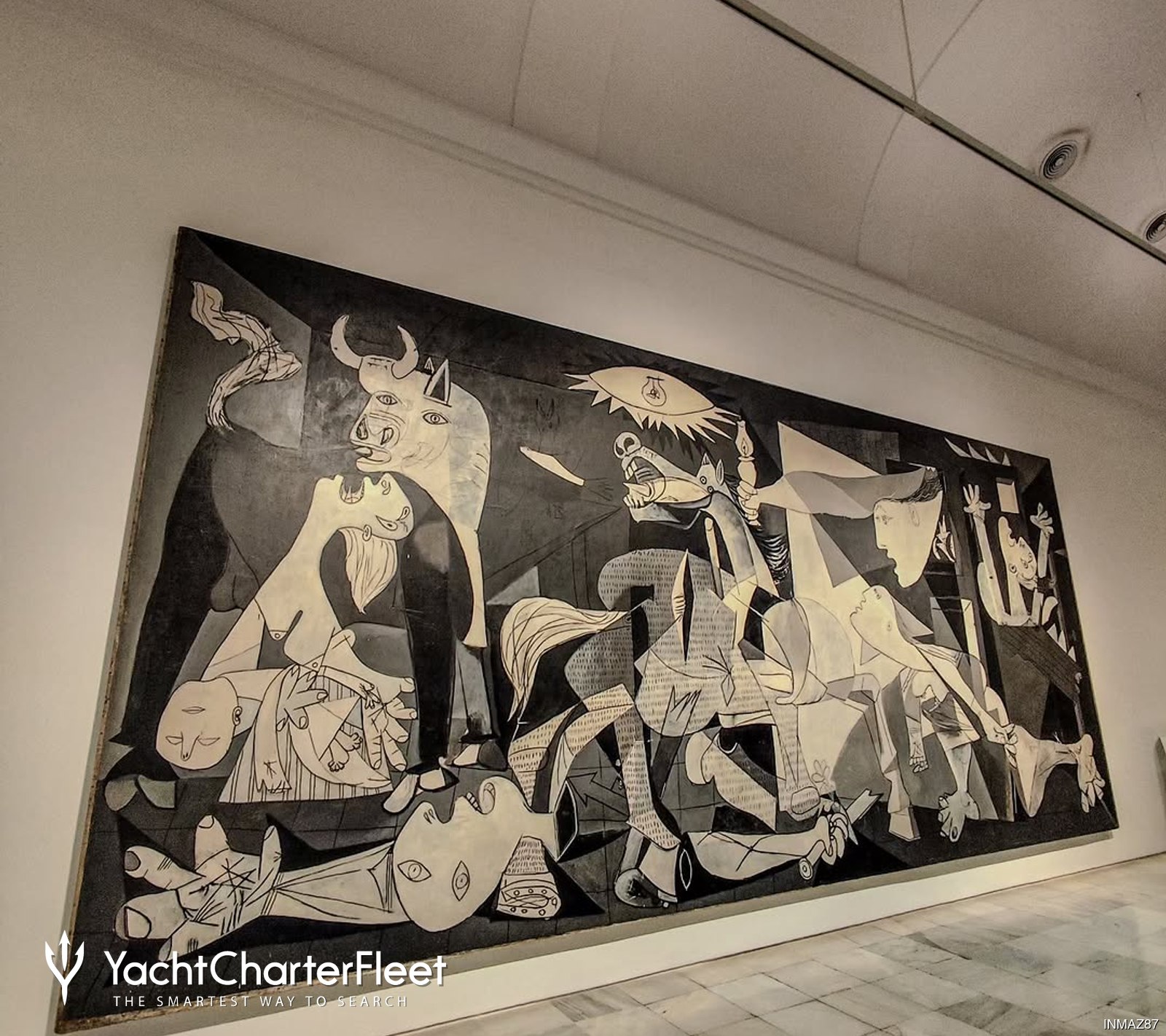
The museum holds over 200 works donated by Picasso's family. These include paintings, drawings, sculptures, and ceramics that highlight the artist's changing styles over the decades. Visitors can explore how he moved from realism to cubism and beyond, always pushing boundaries. This collection is a primary cultural draw for anyone on a Spain yacht charter looking to explore the heritage of Andalusia.
One of the strengths of the collection is how it offers a personal view of Picasso's life. Family portraits, playful sketches, and early studies sit alongside well-known styles, giving insight into his growth and experimentation. Each piece reflects a different chapter of his story, from childhood inspiration to the bold, abstract forms of his later years. The layout invites visitors to follow this evolution at their own pace, allowing for quiet reflection.
You do not have to be an art historian to appreciate what is on display. The museum makes Picasso’s story accessible, with clear signage and background details that help visitors connect with the work in a meaningful way.
Inspiration for a Mediterranean yacht charter
-
 12 unique beaches to visit on your Mediterranean yacht charter From pink sands to unique rock formations, the Mediterranean has no shortage of interesting and impressive beaches to vi ...
 -
 7 Unmissable Events in the Mediterranean This Summer From yachting shows and regattas to film festivals and sporting fixtures, the Mediterranean plays host to a great many e ...
 -
 Charter smarter: 6 reasons to book your Mediterranean yacht charter now Whilst the winter calls to mind endless images of the Caribbean, there are some very good reasons for booking your summe ...
The building itself adds to the experience. The Palacio de Buenavista blends Renaissance and Mudéjar features, with quiet courtyards and exposed stone. As visitors move through the galleries, they also move through layers of history. The museum even houses remains of a Phoenician wall and a section of a Roman structure, uncovered during renovation.
It is not just about what is on the walls; the setting brings its own sense of depth. Standing in rooms where centuries of history intersect, you gain a greater sense of the city's past and its influence on creativity.
Museo Picasso Málaga also hosts changing exhibitions and programs that expand on Picasso’s influence. Events like talks, family activities, and creative workshops keep the experience interactive. The museum shop and café add to the visit, offering space to unwind or browse thoughtful gifts and books. Seasonal events, from concerts to special displays, provide reasons for locals and guests to return again.
Its central location means Museo Picasso Málaga is close to many of the city's other highlights. Just a short walk away, you will find the Alcazaba fortress, the Roman theatre, and Malaga Cathedral. The area is filled with vibrant streets, cafes, and plazas, making it ideal for exploring on foot.
There are also plenty of nearby spots to stop for tapas or coffee, so you can make a full day of your visit without needing to go far. Malaga’s compact layout makes it easy to move between cultural sites and modern-day relaxation. This balance of urban art and coastal proximity makes the city a notable stop for any Mediterranean yacht charter exploring the European coastline.
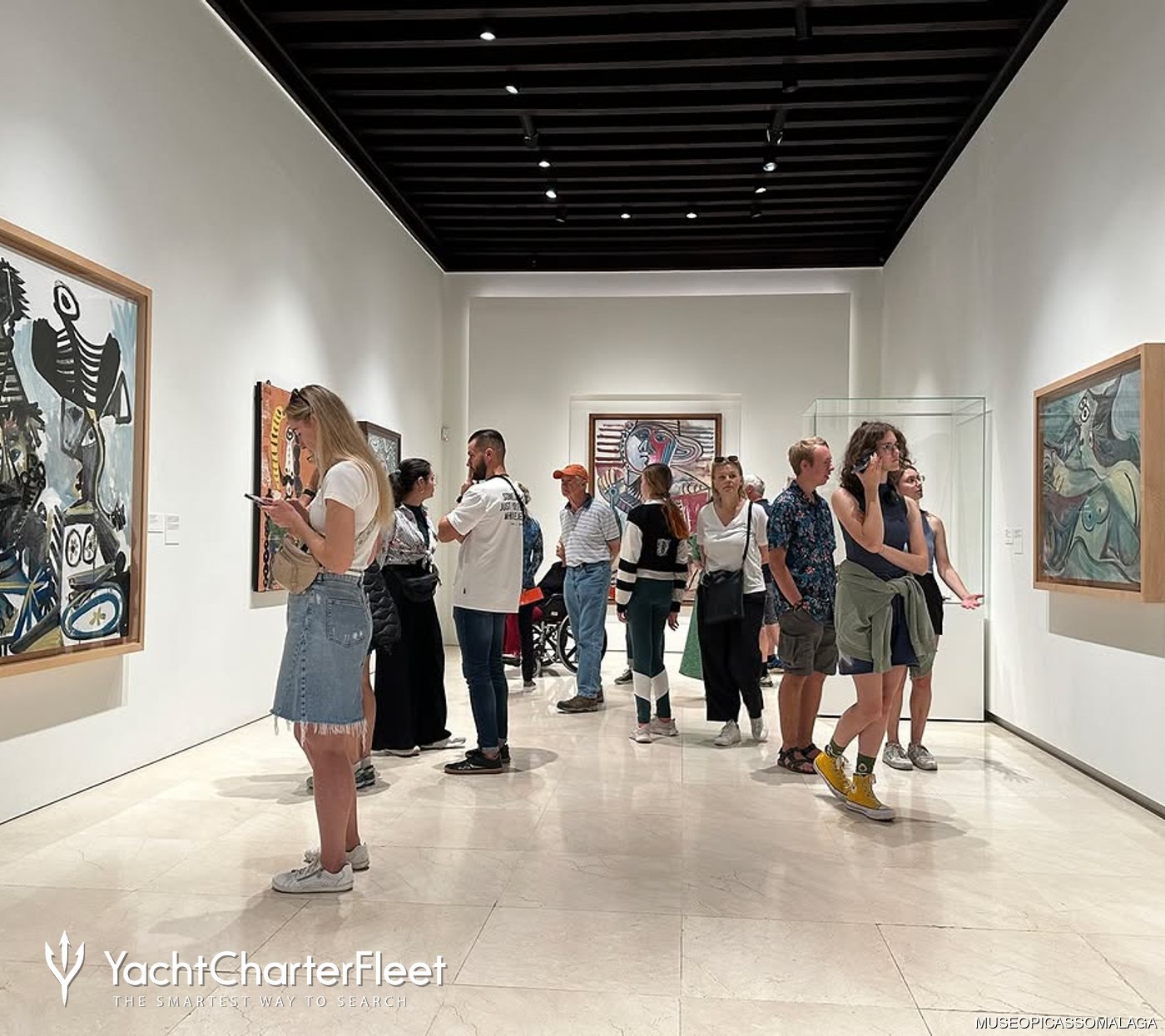
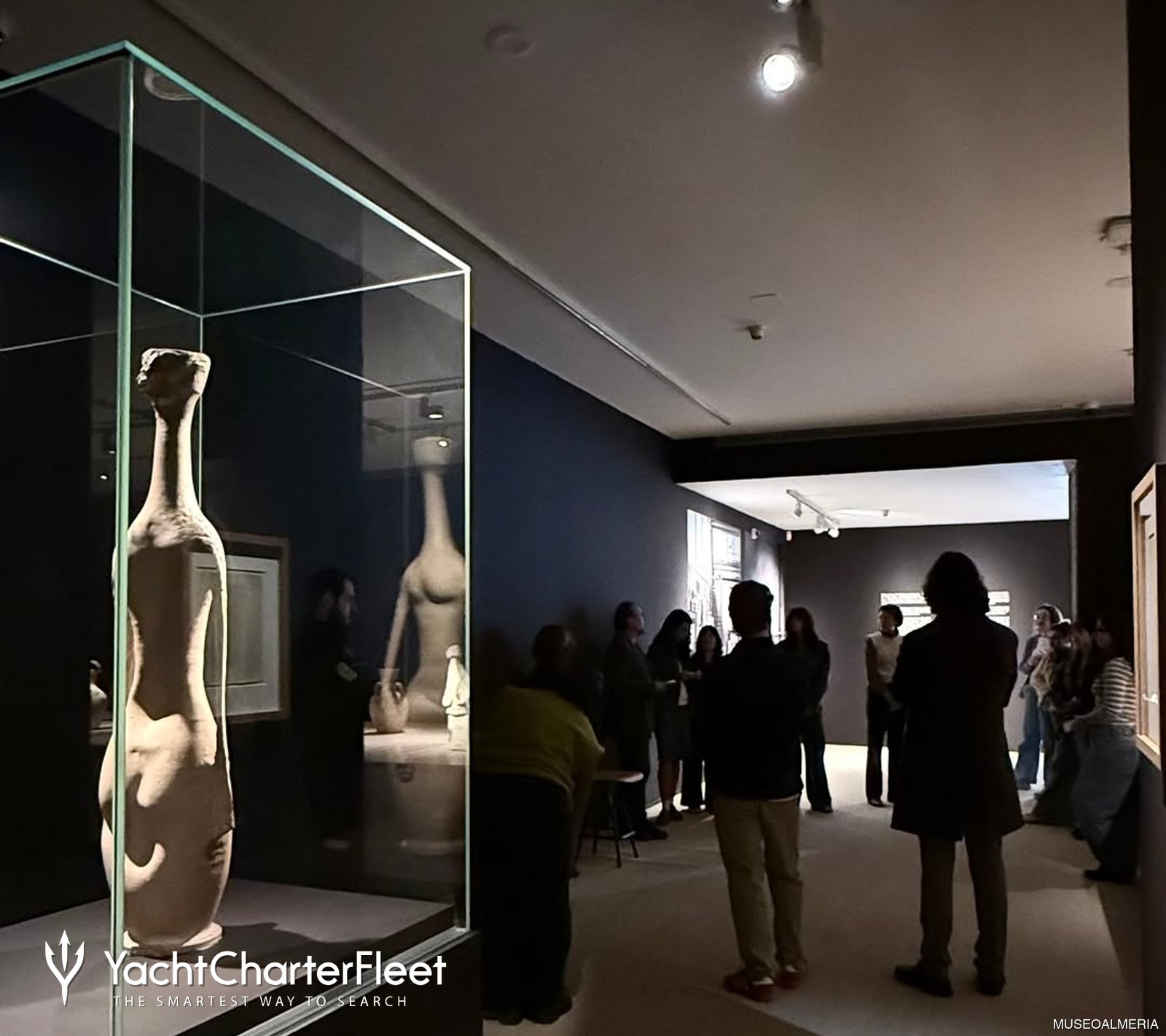
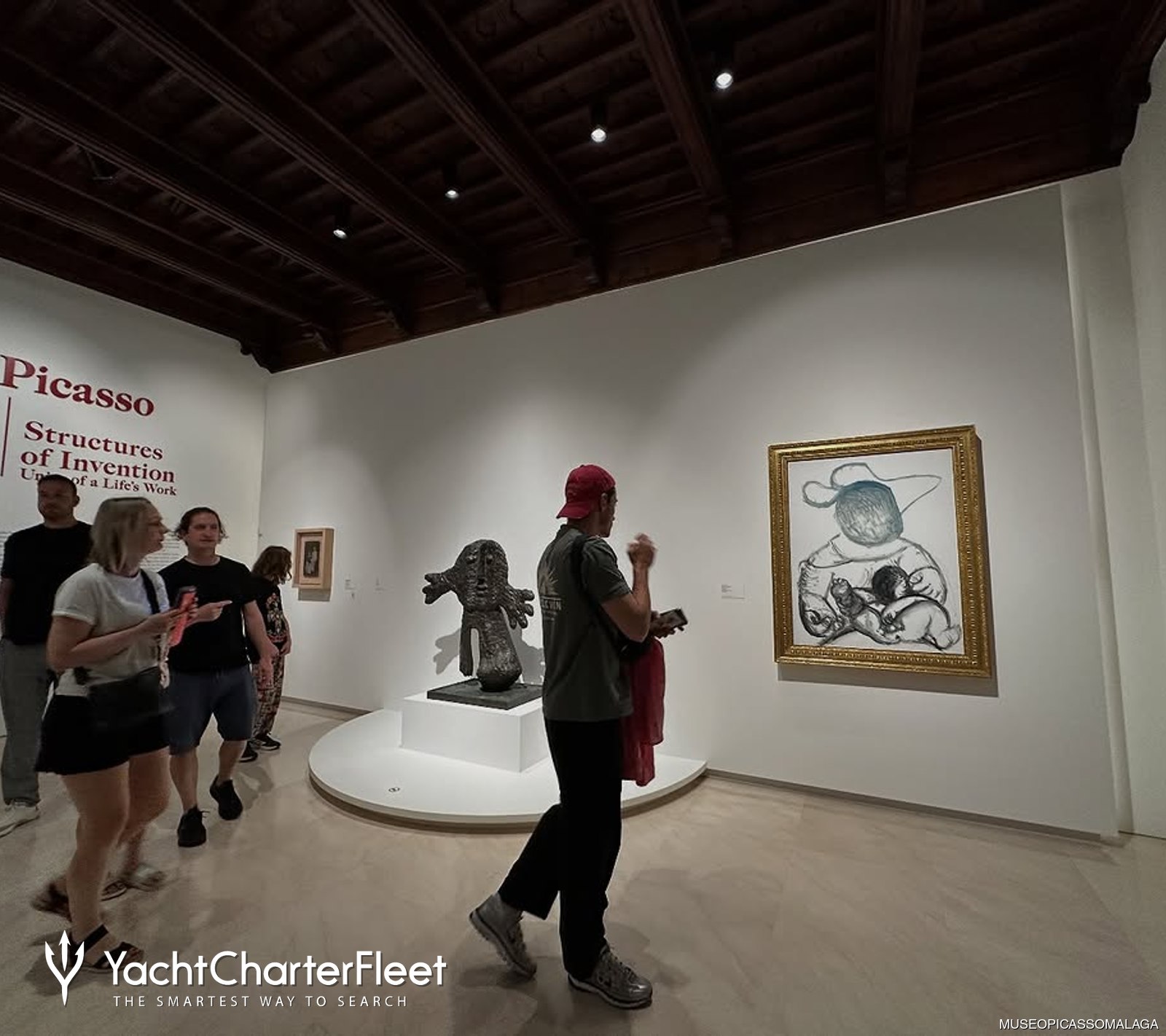
Taking in the colors and shapes of Picasso's imagination offers a different perspective of the region. Incorporating a private yacht charter into your plans ensures that these urban cultural experiences are available alongside time spent on the water.
Speak to a professional yacht charter broker to include Malaga’s historic center in your itinerary. They can coordinate your dockage and local transfers to ensure your transition between the museum's galleries and the open sea is efficient and comfortable.