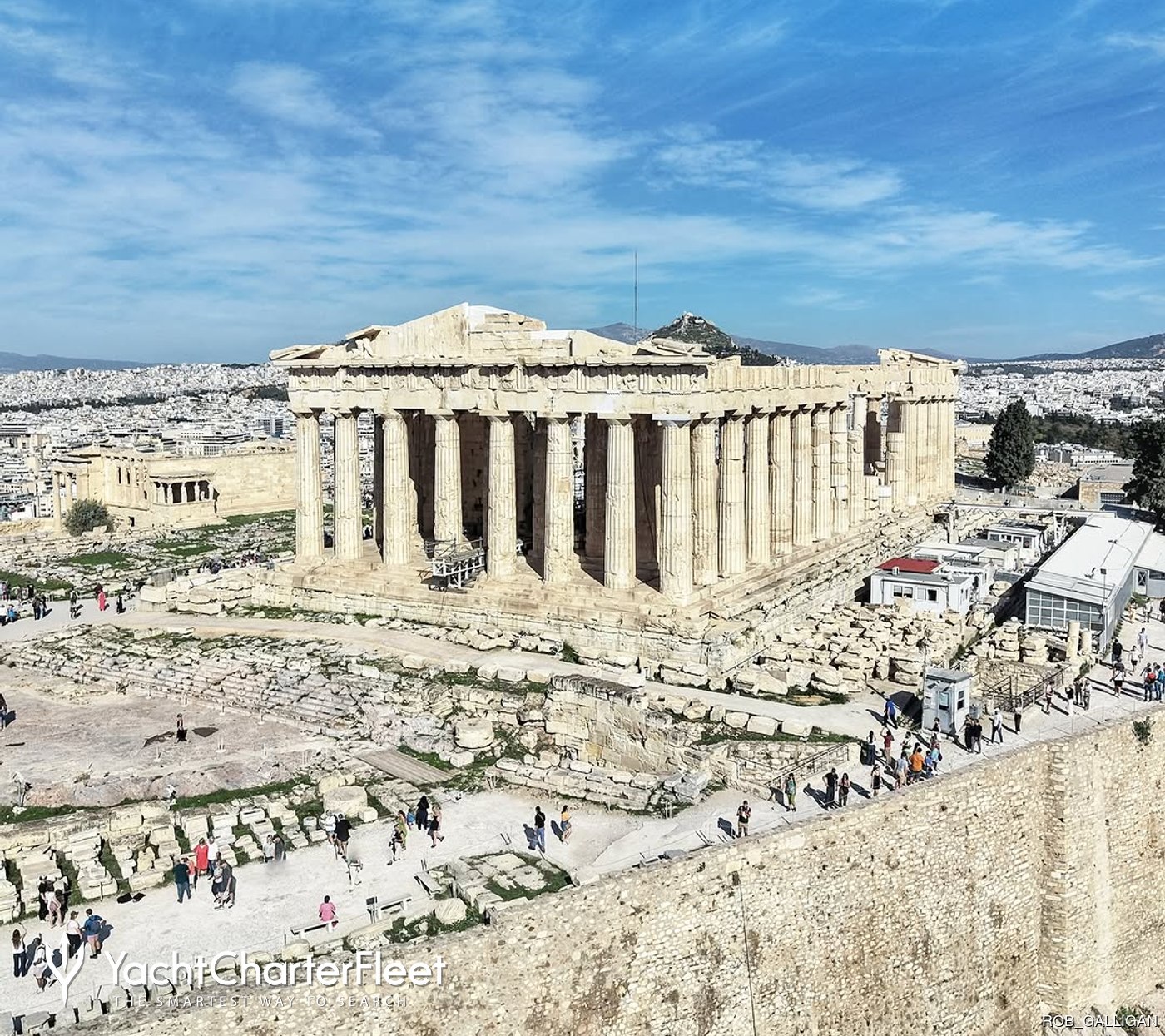
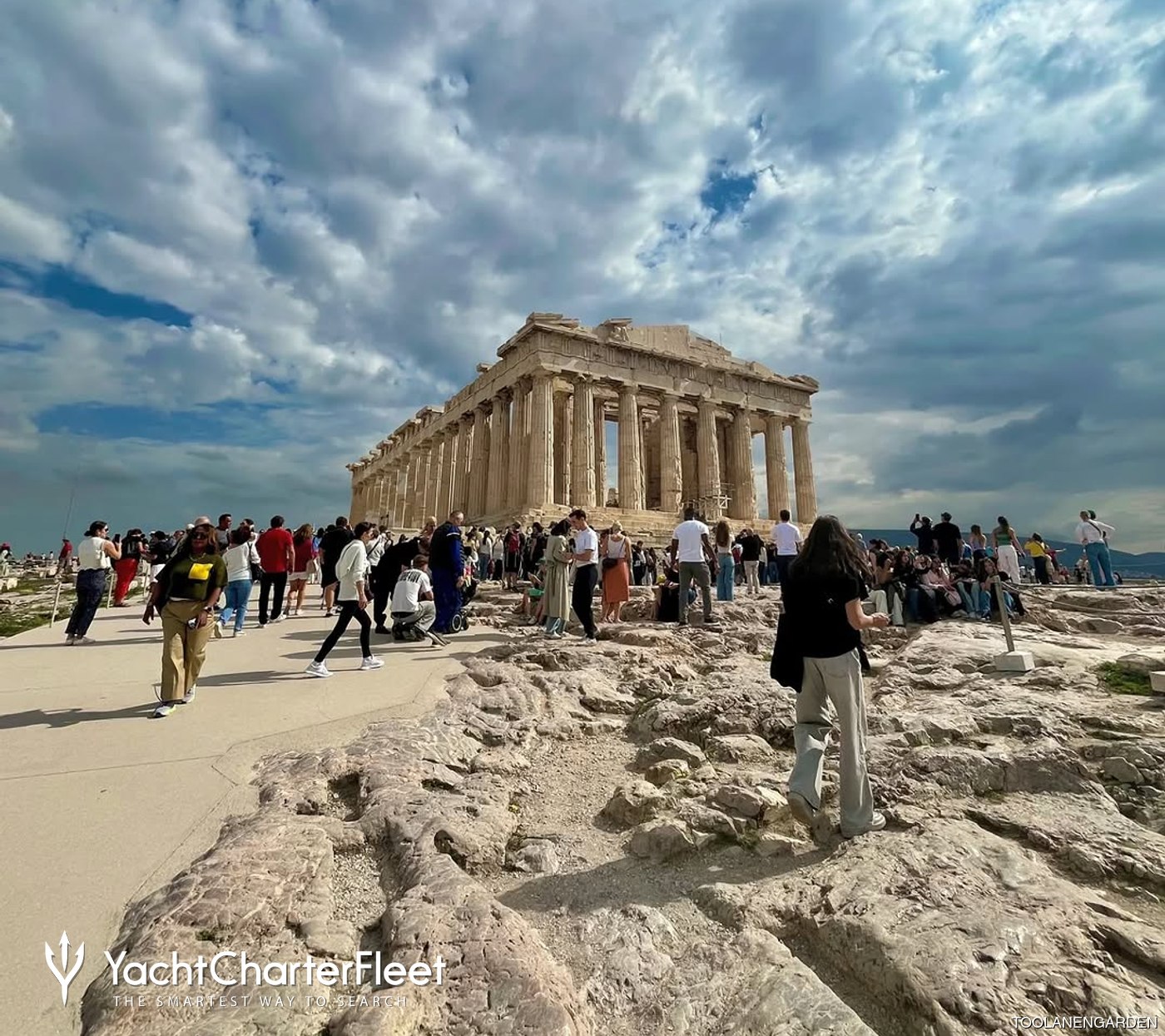
The Parthenon dominates the Acropolis hill, overlooking Athens as a defining symbol of ancient Greek civilization. Built between 447 and 432 BC, it honors Athena, the city’s patron goddess, and embodies the artistic and civic achievements of the Periclean era. Its Doric columns, intricate metopes, and friezes depict legendary battles and the Panathenaic procession, offering insight into both mythology and society.
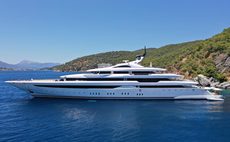
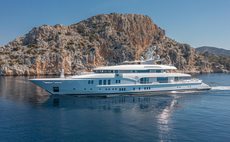
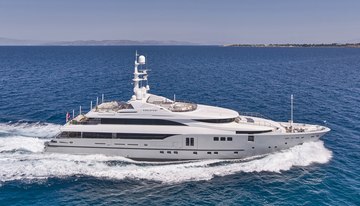
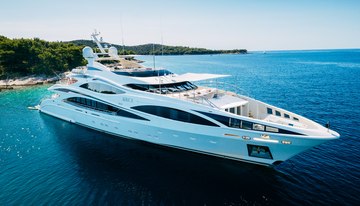
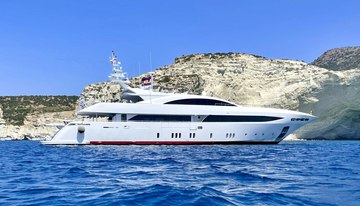
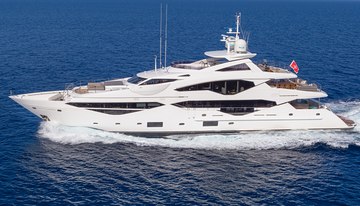
Constructed from over 22,000 tons of Pentelic marble, the temple measures 69 meters in length and 31 meters in width. The columns rise more than ten meters, framing the interior that once housed a massive gold and ivory statue of Athena Parthenos. Visitors on a Greece yacht charter often plan a stop here to enjoy the city views before heading to the nearby coastline.
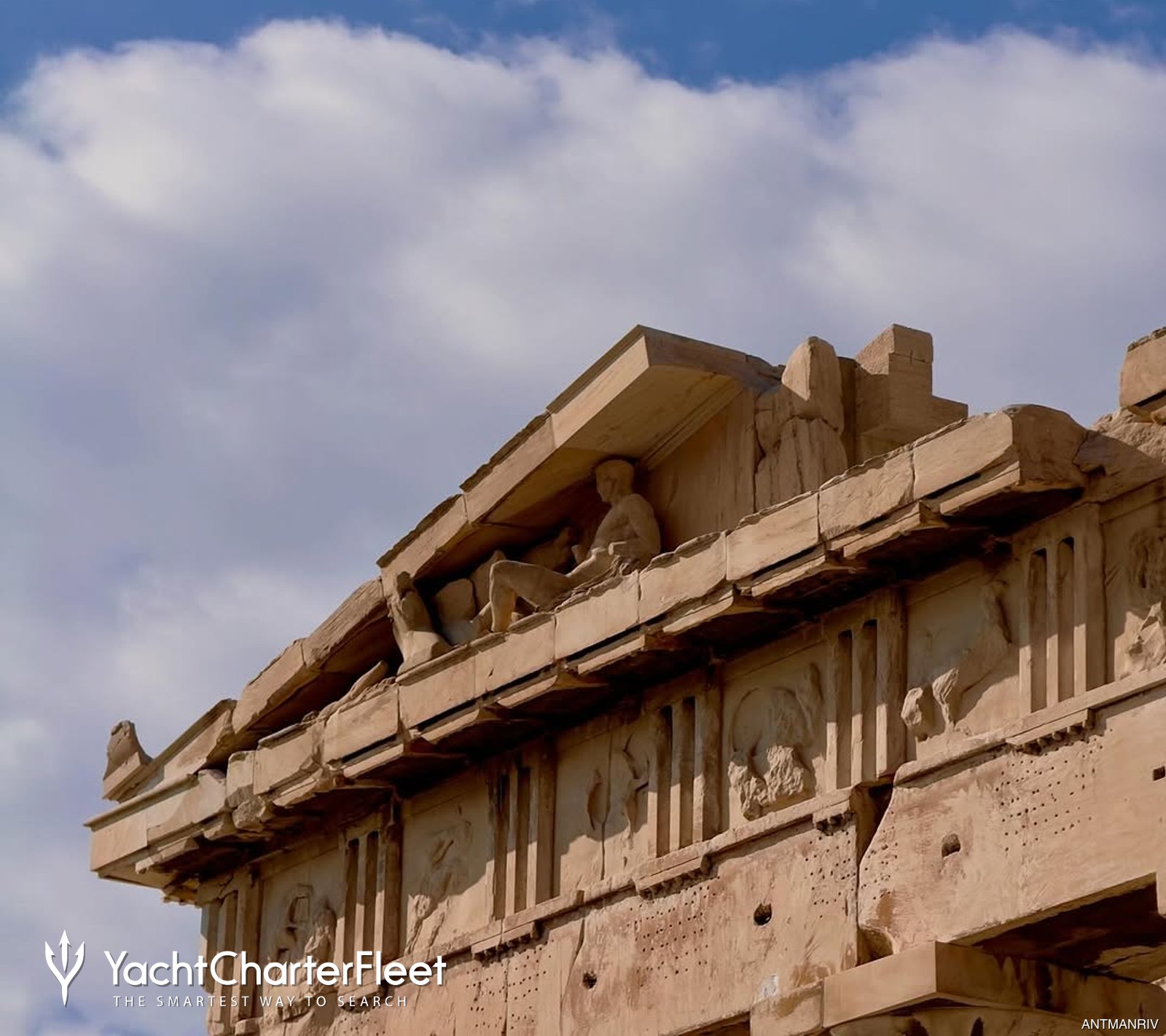
The sculptural decoration remains remarkable, with pediments and metopes illustrating the skill of classical artisans. Even in their current condition, the reliefs convey the stories of gods and heroes, reflecting the cultural and spiritual identity of ancient Athens.
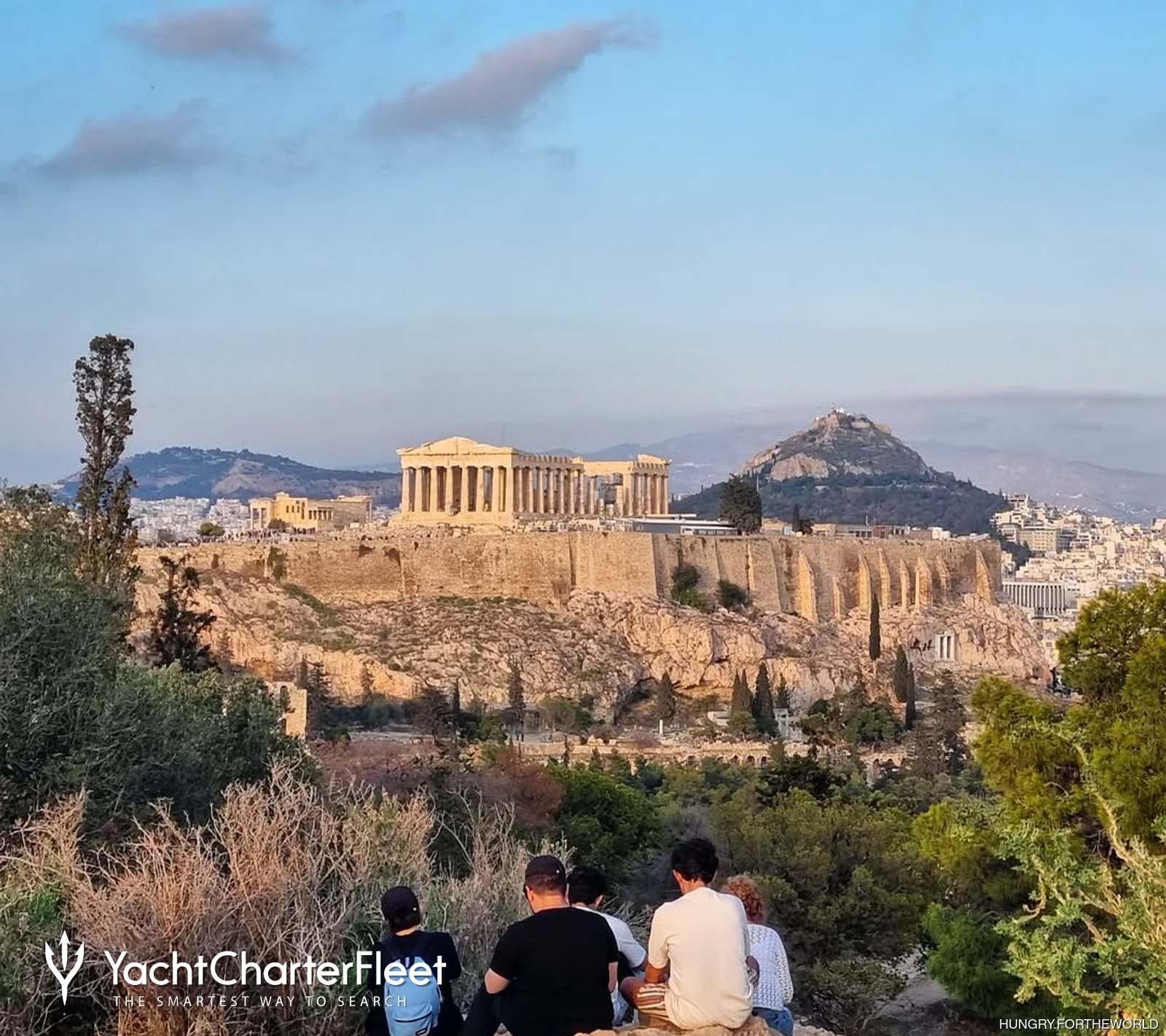
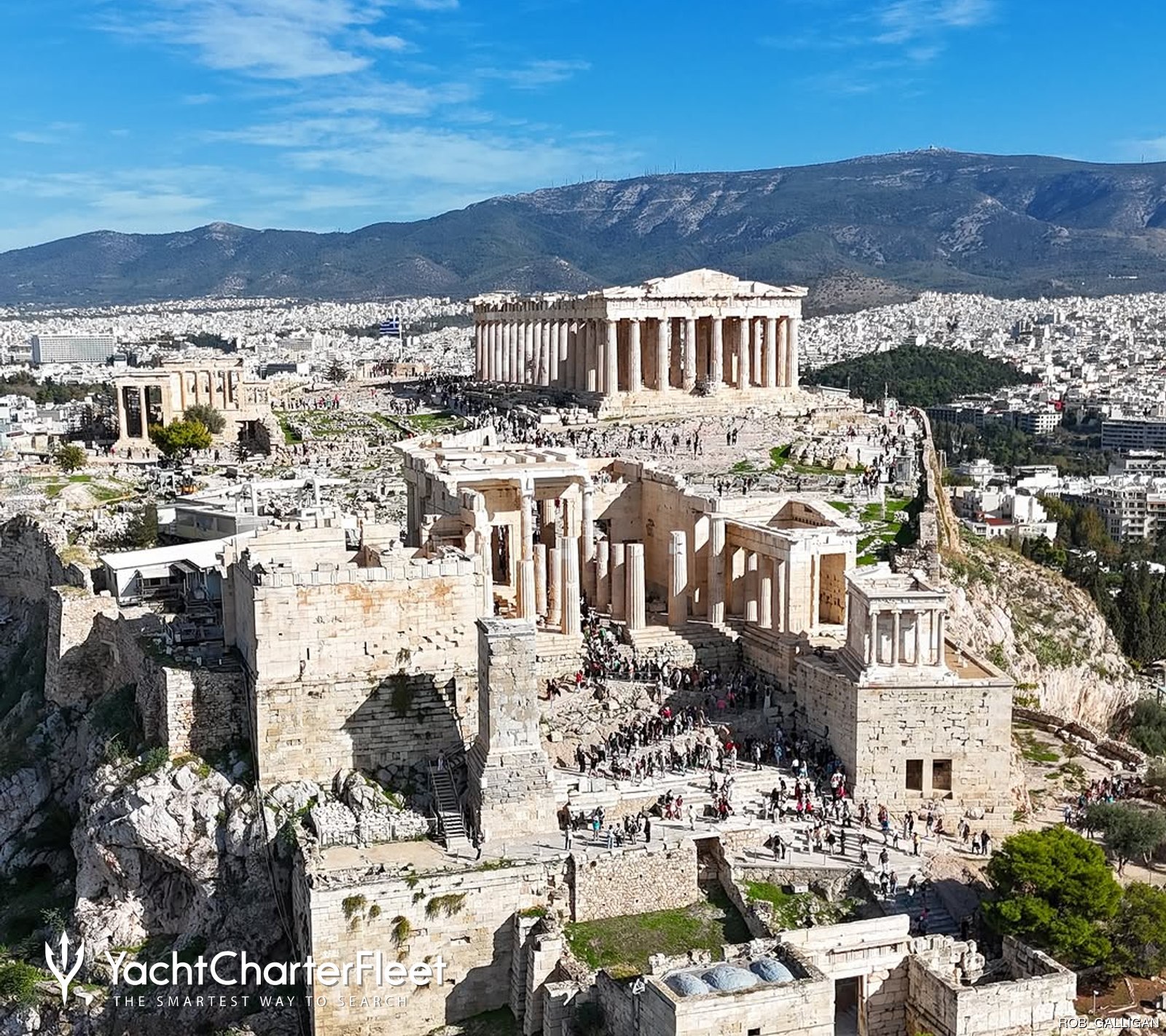
The Acropolis occupies a prominent position above the East Mediterranean city, providing panoramic views across Athens and toward the Aegean. The surrounding streets reveal layers of history, from Byzantine churches to neoclassical buildings. Visitors on an Athens yacht charter may combine the Parthenon with other city landmarks, taking in the Agora, the Theatre of Dionysus, and the Acropolis Museum.
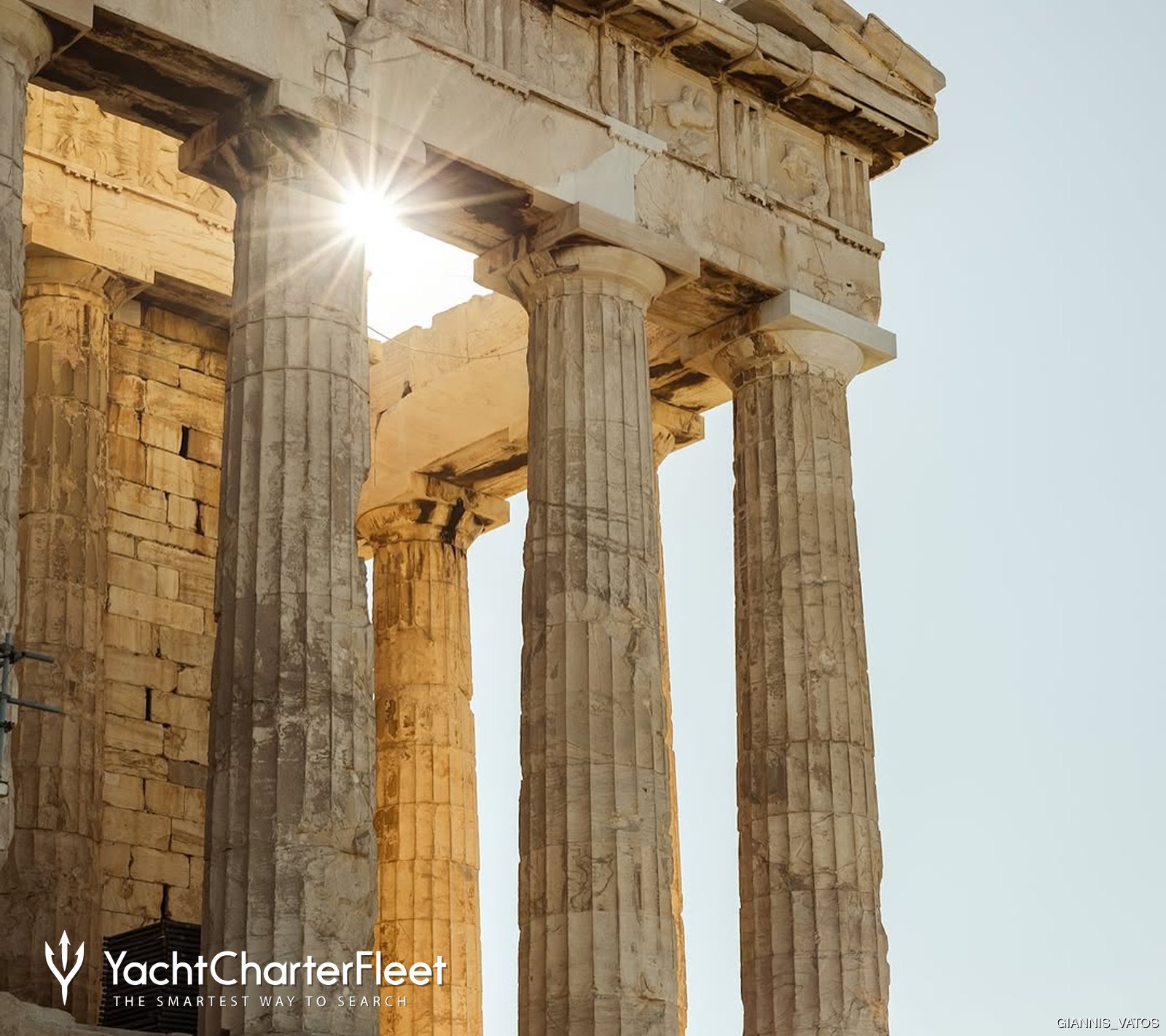
The museum displays surviving statues, architectural fragments, and friezes from the Parthenon, offering context for its religious and civic roles. Seasonal sunlight enhances the marble’s texture and color, creating different visual experiences throughout the day.
Quiet mornings or late afternoons provide a chance to explore the slopes without crowds, while the Acropolis’s elevated position allows views over the city, the port of Piraeus, and the surrounding waters.
The Parthenon’s design reflects a mastery of classical architecture. The temple is double peripteral, with eight columns at each short side and seventeen along the long sides. The interior cella included a double colonnade supporting the colossal statue, while the west room housed treasures and featured Ionic columns. Marble tiles covered the roof, and sculpted palmettes and lion-headed spouts added decorative accents along the edges.
Pediments depict the birth of Athena on the east and her contest with Poseidon on the west, while the metopes portray mythic battles. The frieze that encircles the inner structure illustrates the Panathenaic procession, capturing a civic ceremony in intricate relief.
The Acropolis hill rises sharply from the surrounding plain, with rocky outcrops and cliffs framing the Parthenon. From the hilltop, visitors can see Athens’ city layout and the distant Aegean islands. Gentle breezes and sunlight across the marble enhance the atmosphere, while short walks reveal ancient stairways, retaining walls, and traces of previous structures.
Those combining city exploration with a Mediterranean yacht charter often include the Parthenon in their itinerary before moving on to nearby islands or coastal stops. The balance of urban history and natural vantage points creates a memorable experience.
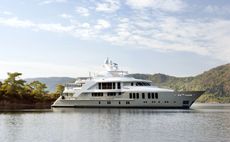
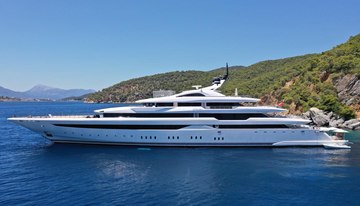
The Parthenon is central to any Athens yacht charter itinerary. A yacht charter can offer an additional perspective of the city from the nearby coastline or the Saronic Gulf. Guests can incorporate time in Athens with access to the surrounding islands, making a comprehensive Greek experience possible.
For customized planning, speaking to a yacht charter broker can help integrate visits to the Acropolis with sailing routes, ensuring a seamless combination of cultural exploration and time on the water.