The Panathenaic Stadium, also known as Kallimarmaro, represents a structural link between ancient athletic traditions and modern global sports history. Situated in a natural ravine between the hills of Agra and Ardittos, this multi-purpose arena is famous for its construction entirely from white Pentelic marble. Visitors flock to the site to walk the historic track and climb the tiers of stone benches that once held tens of thousands of spectators.
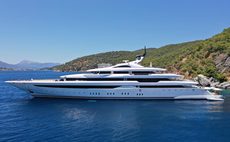
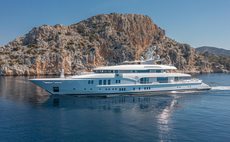
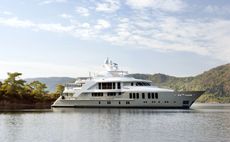
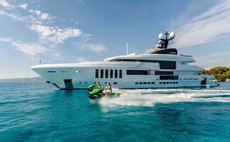
Landing at the nearby Flisvos or Zea marinas provides a straightforward gateway to the ancient center of the capital. Booking an Athens yacht charter creates an ideal base for exploring inland monuments before embarking on an island-hopping charter vacation in the East Mediterranean. The stadium sits just east of the National Gardens, making it easily accessible via a short vehicle transfer from the Saronic Gulf waterfront.
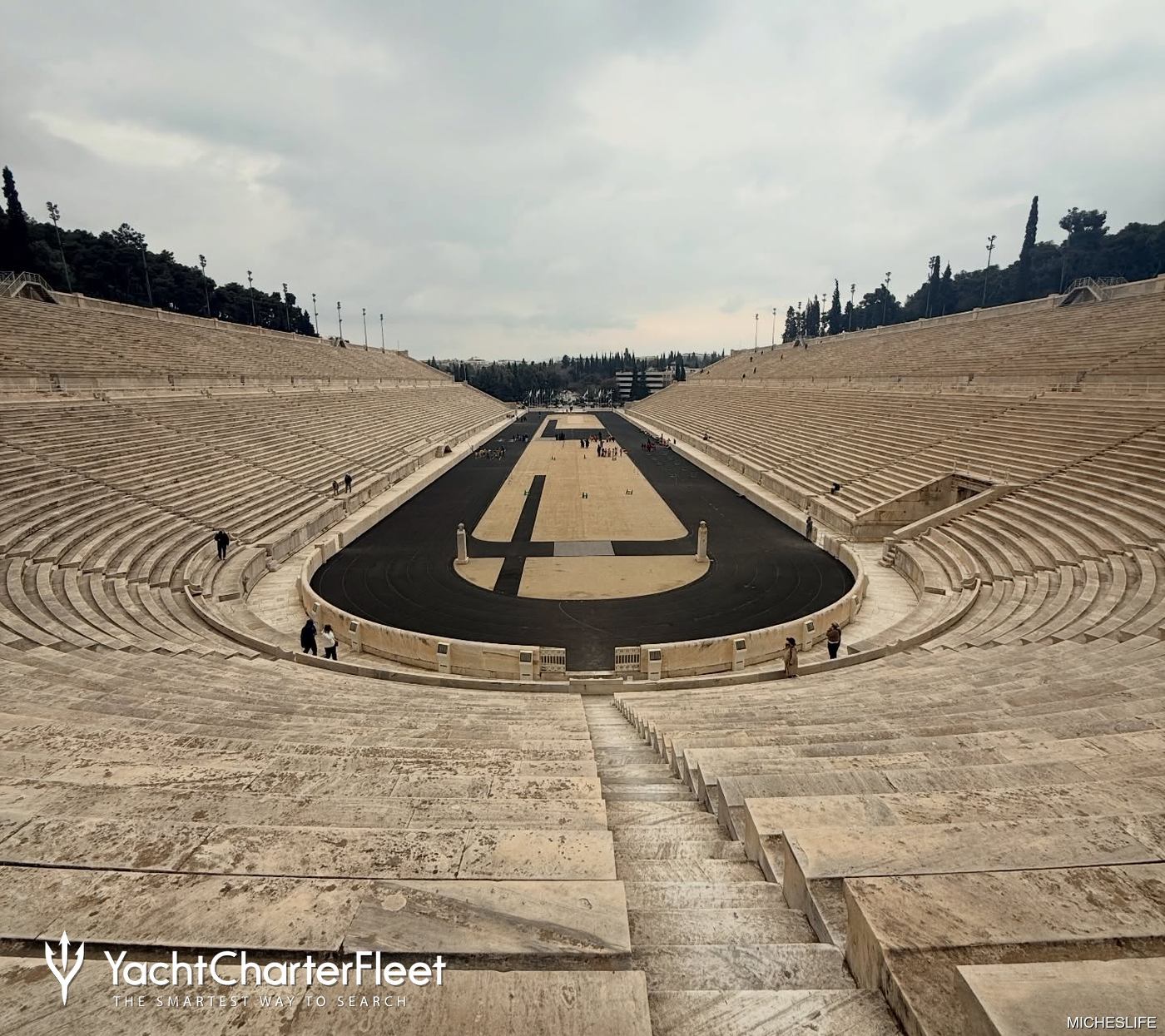

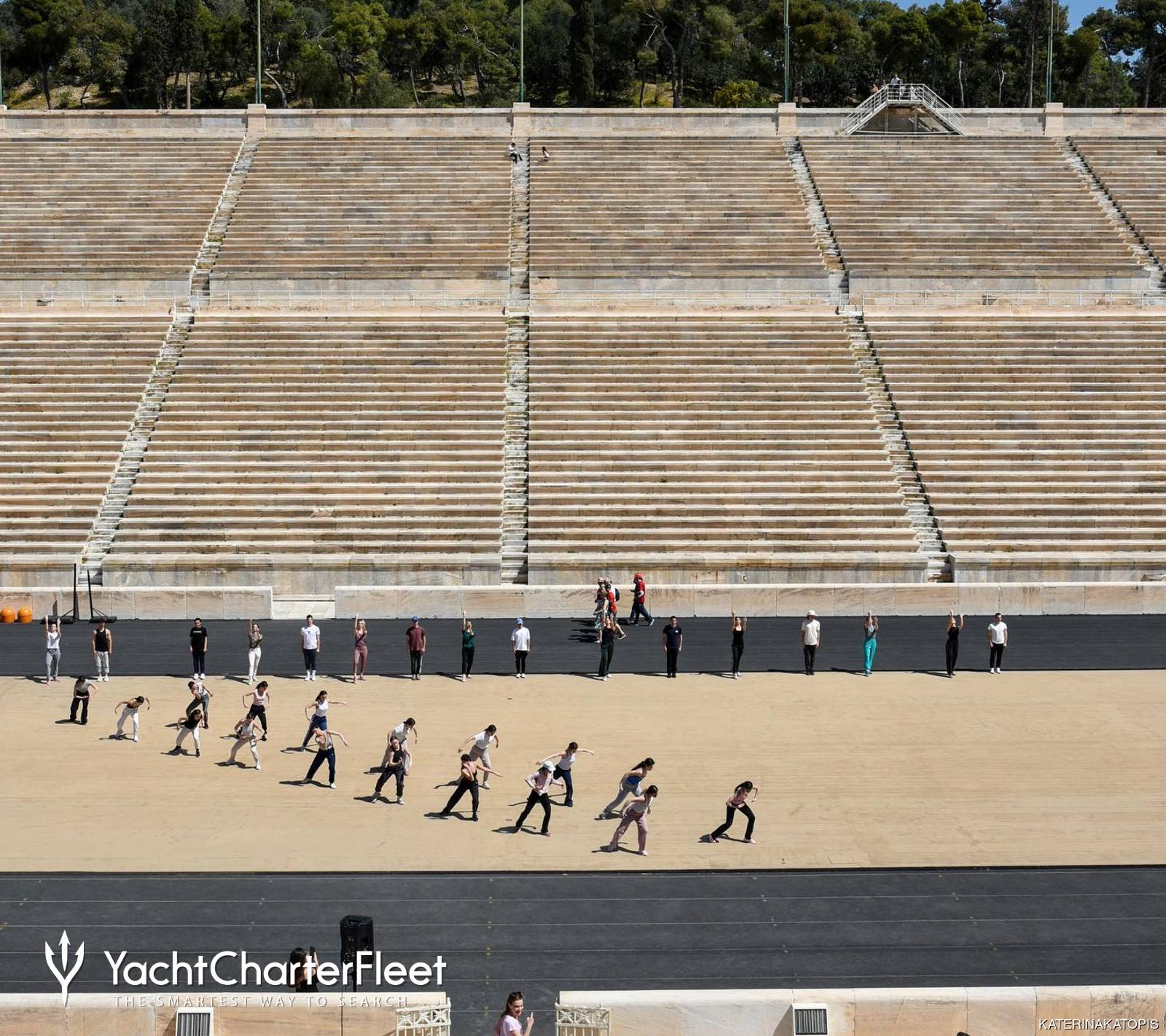
The origins of the site date back to the sixth century BC when it functioned as a simple grass racecourse for the Panathenaic Games. The statesman Lycurgus transformed the valley into a formal stone stadium around 330 BC, leveling the ravine to accommodate proper athletic tracks. Centuries later, in 144 AD, the wealthy Roman senator Herodes Atticus rebuilt the entire structure using ashlar masonry and marble, expanding the capacity to 50,000 seats.
Following centuries of neglect and abandonment after the decline of classical festivals, the arena underwent a massive excavation in 1869. The German architect Ernst Ziller uncovered the ancient layout, paving the way for a full historical reconstruction funded by benefactor George Averoff. This meticulous restoration replicated the exact U-shaped footprint of the Roman era, preparing the space to host the opening and closing ceremonies of the first modern Olympic Games in 1896.
Inspiration for Greece yacht charters
-
 Why Greece is the perfect superyacht charter destination A Mediterranean destination renowned for its spellbinding beauty, Greece is the ultimate vacation hotspot for those in n ...
 -
 The top 6 historical sites to visit on a Greece yacht charter in the Cyclades On a Greece yacht charter vacation, you'll find some of the country's most important archaeological sites around the Cyc ...
 -
 Local delicacies to try on your next yacht charter in Greece Renowned for its authentic Mediterranean flavours, fresh ingredients and rustic feel, Greek food is amongst the best in ...
The monument remains an active participant in global sporting culture rather than just a static museum piece. It marks the final finishing point for the annual Athens Authentic Marathon, where runners complete the historic route from the town of Marathon. Additionally, the arena hosts the official handover ceremony where the Olympic flame is passed to the host nation before every iteration of the games.
The unique U-shaped design and its sheer scale influenced western stadium architecture throughout the 20th century. Designers used the site as a direct blueprint for historic sports venues in the United States and Germany. Planning a visit to this architectural landmark during a broader Greece yacht charter provides deep historical context to the region's cultural legacy before you head toward the Aegean islands.
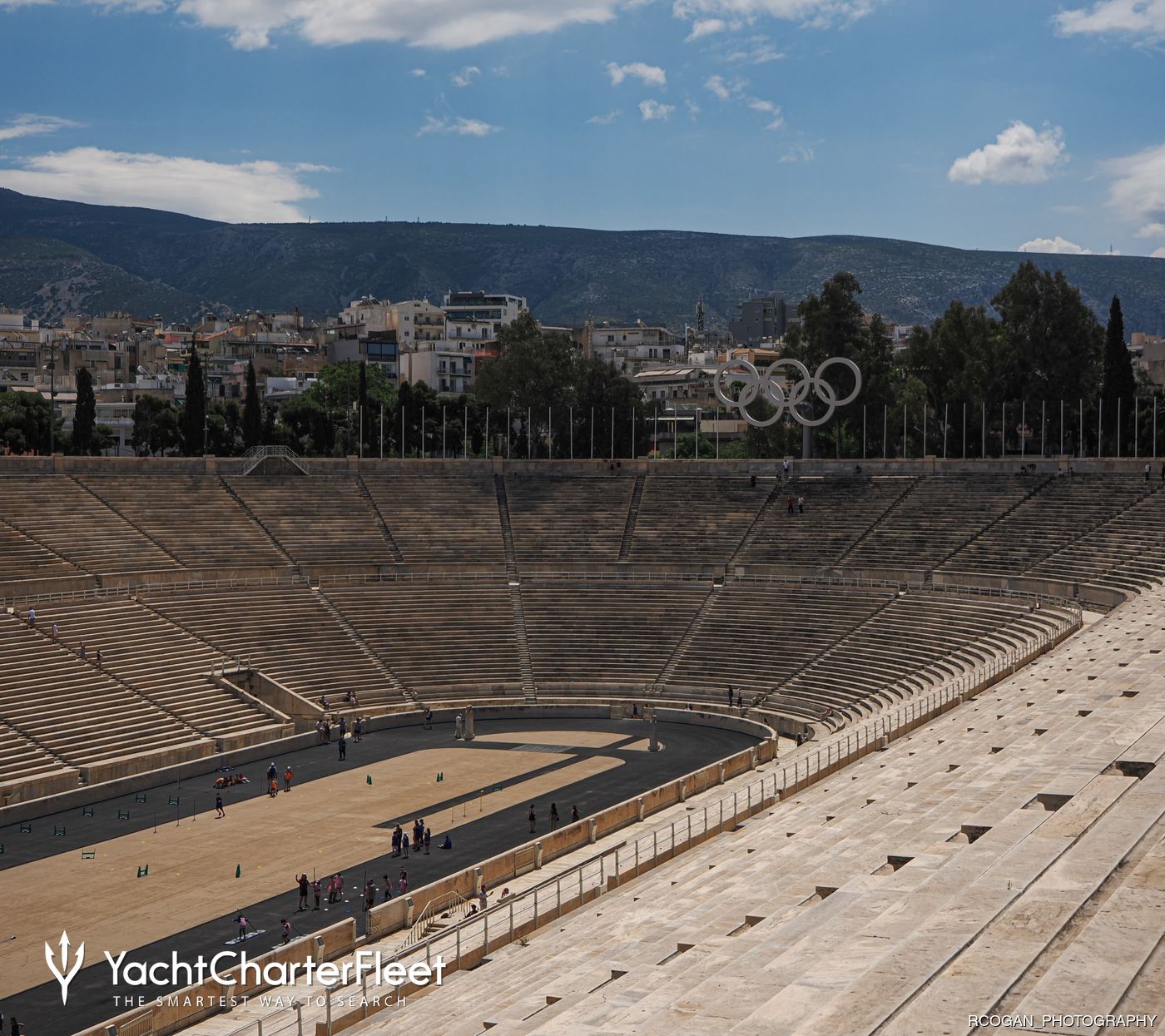
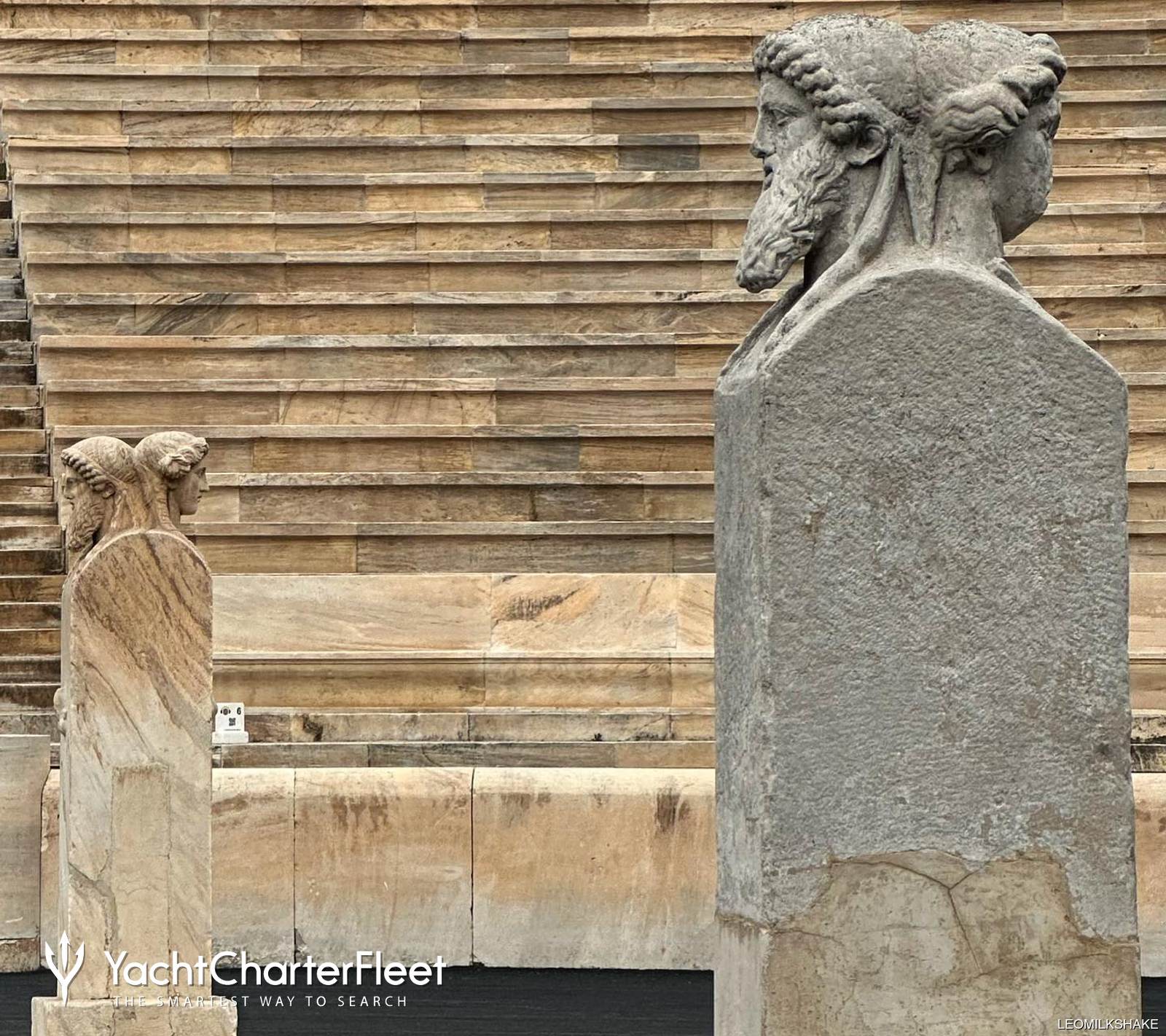
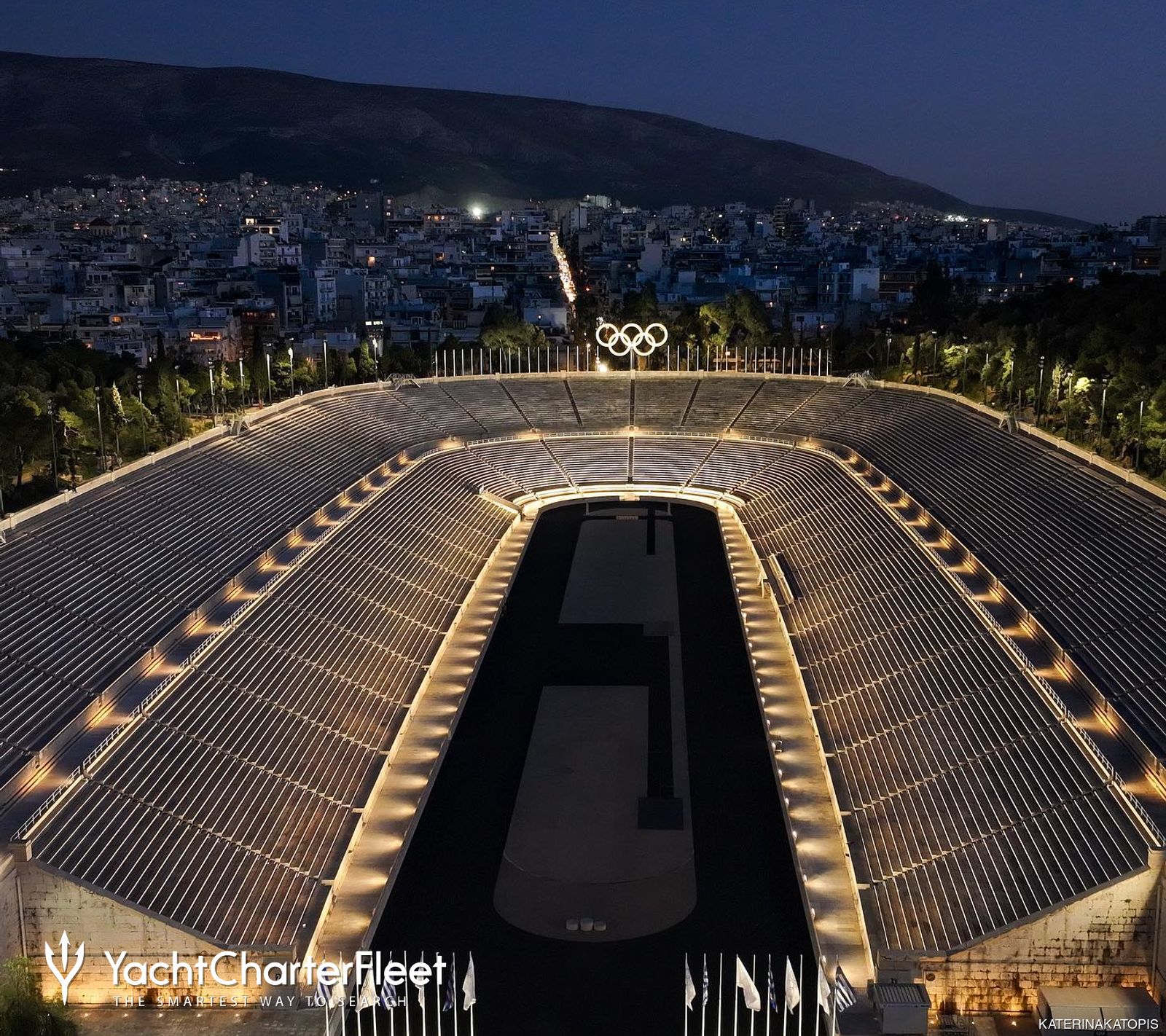
The stadium occupies a prominent position within the central Pangrati district, bordered by pine-covered hillsides that offer a green contrast to the white marble. Combining a walking tour of the arena with a visit to the neighboring Zappeion Exhibition Hall maximizes your time in the city center. Exploring the vaulted stone passages underneath the stands gives guests an intimate look at where athletes prepared for competitions across different eras.
Choosing a premium superyacht charter for your summer vacation allows you to blend urban historical exploration with secluded coastal relaxation. The proximity of the capital's historic core to major ports ensures that overland tours require minimal travel time. Including this cultural stop within a comprehensive Mediterranean yacht charter itinerary showcases the balance between classical antiquity and modern luxury living along the coast.
A dedicated yacht charter broker can coordinate your shoreside transportation and secure private guided tours of the ancient arena. Arranging these logistics in advance helps your group bypass daytime ticket lines and ensures a seamless transition from the marina to the historic center.
Panathenaic Stadium
Panathenaic Stadium,
Leof. Vasileos Konstantinou,
Athina 116 35,
Greece